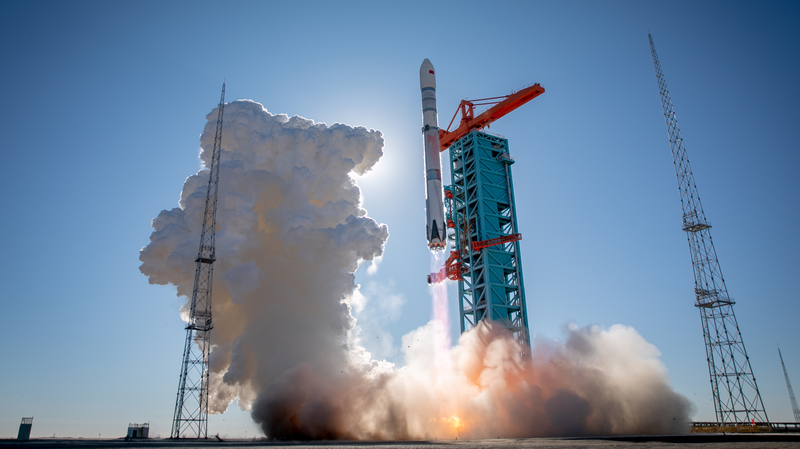
The test, conducted on Saturday, marked a milestone in reusable launch vehicle development. LandSpace disclosed that during the first-stage recovery test of its Zhuque-3 rocket, the booster successfully navigated the most challenging flight regime: maximum dynamic pressure, or max Q. Engineers collected high-value telemetry on thermal protection performance, aerodynamic loads and attitude control precision.
Max Q represents the peak aerodynamic stress a rocket experiences as it accelerates through the atmosphere. To survive this phase, boosters need robust heat shields and an optimized shape to keep temperatures in check, while control systems must maintain stability despite intense forces. Recent flight data from LandSpace will help refine the thermal protection system, tweak the booster aerodynamic configuration and enhance guidance algorithms.
By turning raw flight data into actionable improvements, LandSpace aims to drive down turnaround times and cut launch costs, bringing the industry closer to truly reusable spacecraft. As demand for satellite launches and space services grows, insights from the Zhuque-3 recovery test offer a blueprint for faster, more sustainable access to orbit.
Looking ahead, the aerospace community will be watching how LandSpace leverages these findings in upcoming test flights. Will this push the boundaries of cost-effective space operations? One thing is clear: each data point brings us a step closer to a future where rockets fly again and again.
Reference(s):
LandSpace reveals key details of Zhuque-3 first-stage recovery test
cgtn.com