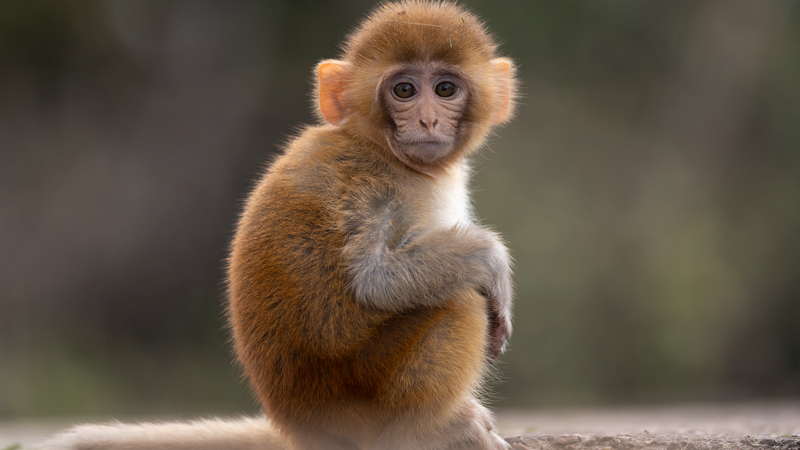
In a groundbreaking study released in late 2025, a team at the Kunming Institute of Zoology under the Chinese Academy of Sciences has charted the first comprehensive molecular map of natural aging in rhesus macaques. By analyzing key tissues across multiple organ systems, the researchers offer an unprecedented look at the molecular shifts that accompany aging in our closest non-human relatives.
Why rhesus macaques? These primates mirror human physiology, metabolism, and age-related traits more closely than traditional lab models. Understanding how genes, proteins, and cellular pathways change over time in macaques could unlock new strategies for tackling human age-related diseases.
Inside the multi-omics approach
- Multi-tissue profiling: Dozens of tissues spanning the brain, heart, liver, and more.
- Single-cell insights: Charting how individual cells adapt or decline with age.
- Proteomic and epigenetic data: Revealing protein networks and DNA modifications tied to aging.
Key findings point to age-driven inflammation, metabolic reprogramming, and declines in cellular maintenance across organs. The data highlights shared aging signatures between macaques and humans, from neurodegenerative risk factors to heart health markers.
Implications for human aging research
By mapping these molecular landscapes, scientists gain a powerful reference for identifying early biomarkers of age-related conditions. The study paves the way for:
- Targeted drug discovery aimed at slowing or reversing aging pathways.
- Improved animal models for testing anti-aging therapies.
- Cross-species comparisons to deepen our understanding of longevity mechanisms.
This year's milestone marks a new chapter in biogerontology, offering rich datasets that researchers worldwide can explore. As data-driven methods continue to evolve, studies like this will shape the next generation of interventions against age-related diseases.
With this molecular atlas of aging, the Kunming team has set a global benchmark, illuminating paths toward healthier, longer lives for humans and our primate cousins.
Reference(s):
Chinese zoologists reveal molecular landscape of aging monkeys
cgtn.com