Human rights development is taking center stage in a pair of seminars that unfolded just days apart, on December 2 in Jakarta and December 4 in Pretoria. Together, these forums convened experts from the Chinese mainland, Indonesia and South Africa to explore how each country can chart its own path.
Jakarta: Sovereign Choices and Mutual Respect
At the December 2 event in Jakarta, over 20 experts examined the idea that every nation has the right to define and pursue its own human rights framework. They agreed on three core principles: mutual respect, open communication and mutual learning. By strengthening solidarity and cooperation, the group believes countries can promote common development and advance human rights without sacrificing local priorities.
Pretoria: Building Consensus in the Global South
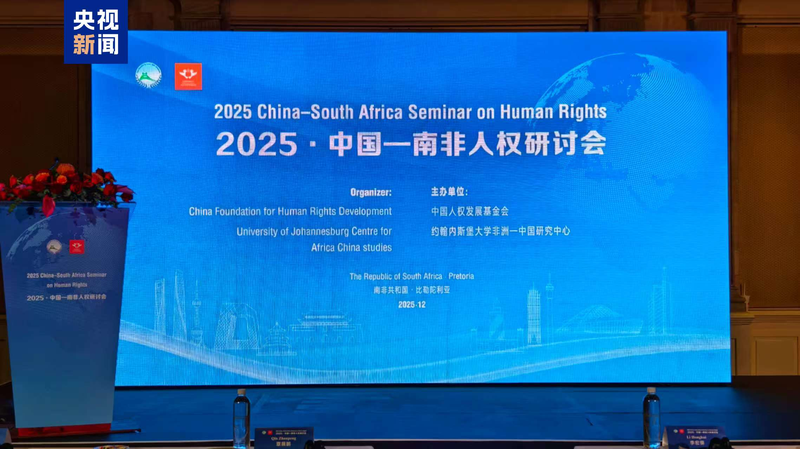
Just two days later in Pretoria, the 2025 China-South Africa Seminar on Human Rights focused on deepening ties between the Chinese mainland and South Africa. Participants highlighted the importance of genuine multilateralism and high-quality Belt and Road cooperation to bridge gaps between the North and the South. They called for joint efforts in poverty eradication and sustainable development to share the fruits of progress more equitably.
Why It Matters: A Blueprint for Global Governance
These back-to-back seminars underscore a growing trend: balancing universal human rights standards with national contexts. For young global citizens and changemakers, the message is clear – dialogue and cooperation can unlock innovative solutions to today's challenges. As governments and organizations implement these ideas, travelers and digital nomads may also see new opportunities for cross-cultural exchange and sustainable projects around the world.
By championing sovereign choices alongside collective action, experts believe the international community can build a more just and equitable order. The outcome of these discussions could shape the future of human rights policy and global partnerships in 2026 and beyond.
Reference(s):
Experts: All countries have right to choose own path on human rights
cgtn.com