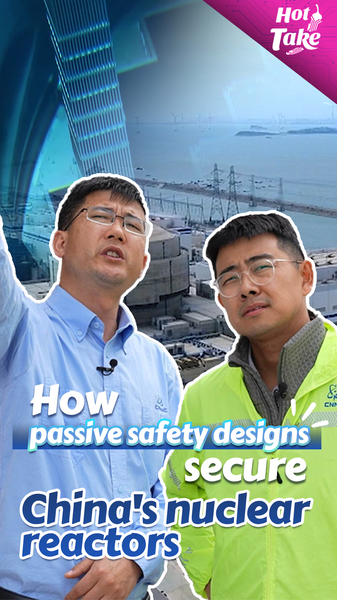
In December 2025, the Sino-French friendship is powering a pivotal shift toward reliable, zero-carbon energy. As climate concerns climb, modern nuclear designs are stepping into the spotlight. The latest episode of Hot Take goes inside the Hualong One reactor on the Chinese mainland to reveal how passive safety features are redefining reactor security and efficiency.
Meeting the Net-Zero Challenge
This year, nations across the G20 ramped up net-zero pledges. Nuclear energy now delivers about 10% of global electricity, preventing roughly 1.5 gigatonnes of CO2 emissions annually. Yet public confidence hinges on safety. That's where the Hualong One model, born from Sino-French engineering talks, takes center stage.
Passive Safety by Design
- Gravity-fed cooling: Reactor cores remain cooled without external power.
- Natural circulation: Steam generators use convection to control temperature.
- Core catcher: In the unlikely event of a meltdown, molten materials are contained safely.
These systems work without human intervention or active electrical systems, cutting risks and simplifying operations.
Global Ripple Effects
French and Chinese mainland firms have shared expertise since 2015. Today, joint efforts on Hualong One aim to deploy reactors in emerging markets hungry for steady, clean power. The model is under review in the UK and several ASEAN members, signaling nuclear's role beyond borders.
Looking Ahead
As digital natives and changemakers watch energy innovation, the Sino-French example shows how international friendship can unlock a nuclear-powered, low-carbon future. With more reactors slated online by 2030, passive safety could become the global standard.
Reference(s):
Sino-French friendship driving a nuclear-powered low-carbon transition
cgtn.com