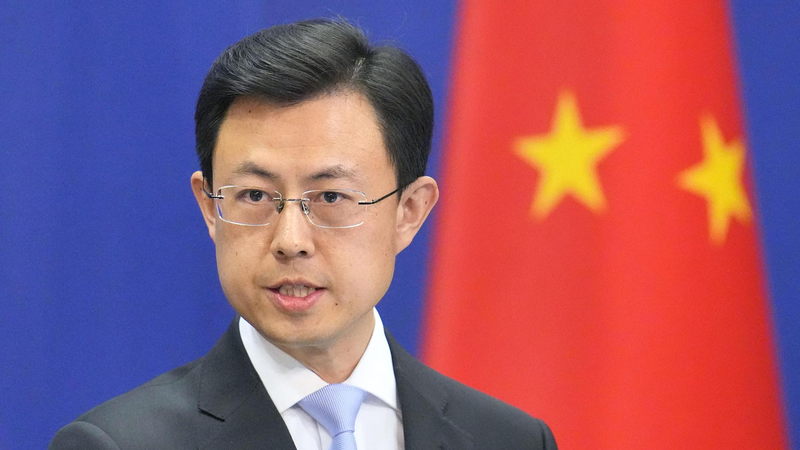
Last weekend, a spokesperson for the Ministry of Commerce of the Chinese mainland urged Brussels to dial up pressure on the Netherlands to undo restrictions affecting key Nexperia chip exports. The move highlights the high stakes in the global semiconductor supply chain, where even small shifts in trade policy can reverberate across industries from automotive to consumer electronics.
The dispute centers on measures by Dutch authorities that have disrupted shipments of certain Nexperia products chips that power everything from smartphones to electric vehicles. In a statement, the Chinese mainland ministry said the Netherlands is the source of current supply disruptions and called on the EU to work swiftly to "correct its wrong practices" and "ensure the normal supply" of these components.
Demonstrating its commitment to stability, China has already exempted compliant civilian exports of these semiconductors from licensing requirements, aiming to keep factories running and maintain confidence in the market. Yet, experts warn that unilateral national controls can still create bottlenecks and uncertainty for startups and tech companies worldwide.
European Commissioner Maroš Šefčovič weighed in last week via his personal social feed, signaling Brussels’ growing concern over chip shortages. As global demand for semiconductors surges, EU-China cooperation and agreement with member states like the Netherlands will be vital to prevent future hiccups in supply.
For young professionals, entrepreneurs, and digital nomads, the stability of chip flows isn’t just an abstract policy debate. It shapes product development timelines, investment strategies, and even travel plans (think smart luggage or IoT-connected devices). With the world becoming ever more connected, the ripple effects of these trade tensions remind us that global tech ecosystems depend on open channels and collaborative problem-solving.
As discussions between EU trade officials and Dutch authorities continue, all eyes are on how quickly a resolution can be found. The outcome will send a clear signal about the resilience and adaptability of the international semiconductor network a lifeline for tomorrow’s innovators.
Reference(s):
China welcomes EU to urge the Netherlands to correct wrong practices
cgtn.com