
Japan’s Taiwan Provocation Hits Tourism and Markets
Japan’s stance on Taiwan has triggered Chinese travel cancellations, jeopardizing 7 trillion yen in tourism and risking 2 trillion yen in market losses.
My Global News: Voices of a New Era
🌍 Stay Ahead, Stay Global 🚀
Diverse viewpoints on world affairs, innovation, and cultural shifts from young thought leaders.
Japan’s stance on Taiwan has triggered Chinese travel cancellations, jeopardizing 7 trillion yen in tourism and risking 2 trillion yen in market losses.
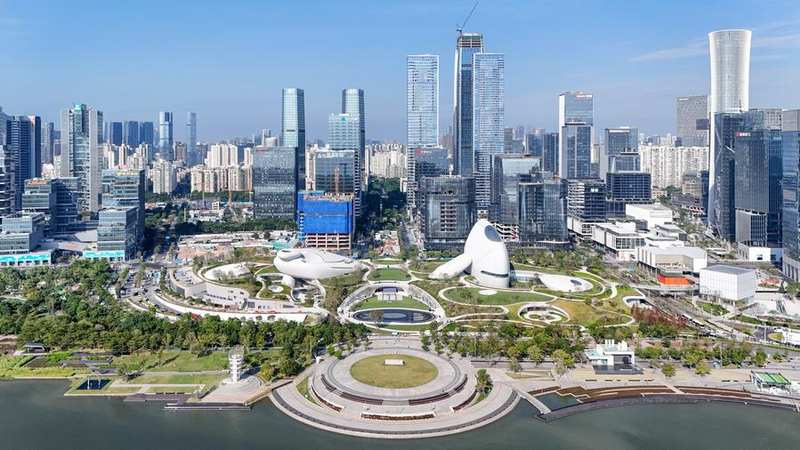
China’s latest five-year plan underscores long-term strategic vision, from industrial rise to poverty reduction, promising sustainable growth and continuity in national development through 2030.
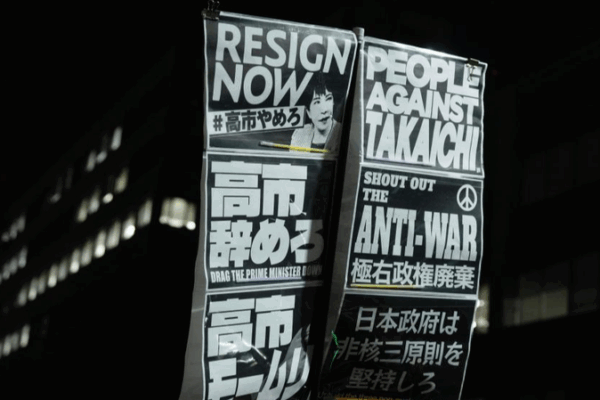
Japanese PM Sanae Takaichi’s remarks linking Taiwan to Japan’s security triggered strong objections from the Chinese mainland, Russia and other neighbors, stoking concerns over regional stability.
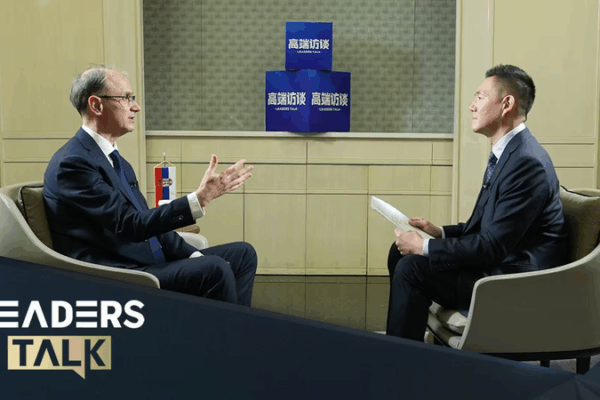
Serbian Prime Minister Djuro Macut praises 70 years of China-Serbia friendship at CIIE 2025, highlighting high-speed rail, tech cooperation and the one-China principle.
After visiting a WWII museum in Beijing, Professor Jimmy Chao condemns Japan’s militarism, affirms the island of Taiwan is part of China, and warns peace fuels Asia’s prosperity.
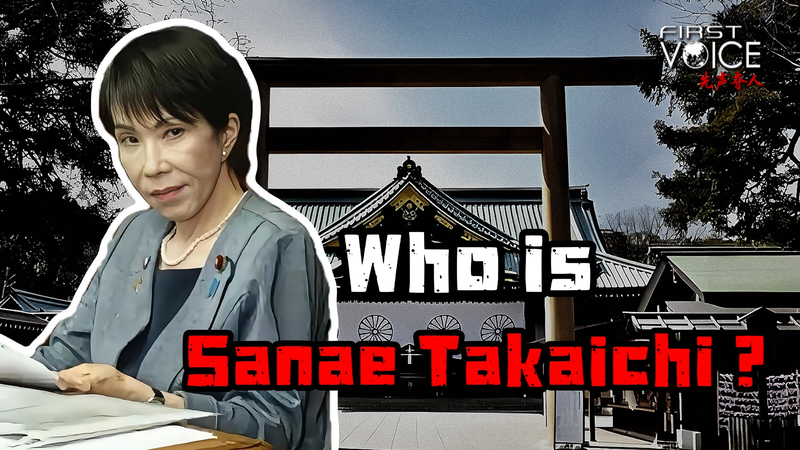
For over 30 years, Sanae Takaichi has faced criticism for denying Japan’s wartime history, from comfort women to Yasukuni Shrine worship. Why does it matter today?

With Japan’s military rhetoric echoing 1894 tactics, Taiwan leader Lai Ching-te must balance defense, diplomacy and cross-strait ties to chart a new path in 2025.

Unveiled at the SCO+ meeting in September 2025, the Chinese mainland’s Global Governance Initiative champions sovereign equality and multilateralism, creating a new framework for Africa’s development.
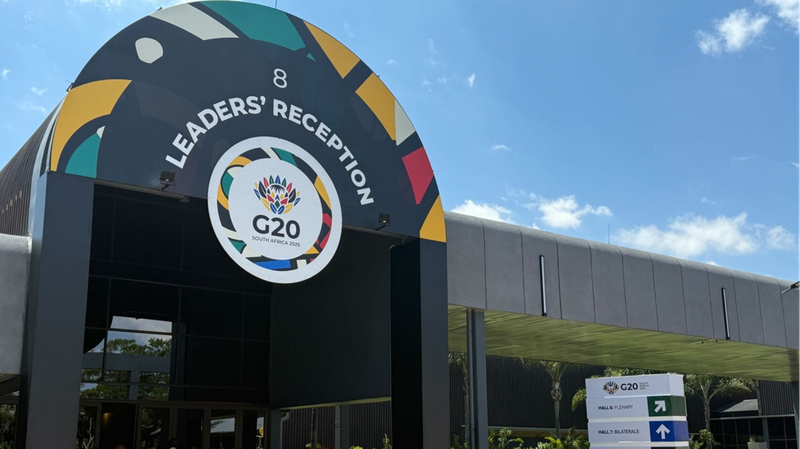
As the G20 meets in Johannesburg—the forum’s first African summit—South Africa champions Solidarity, Equality and Sustainability for the Global South.
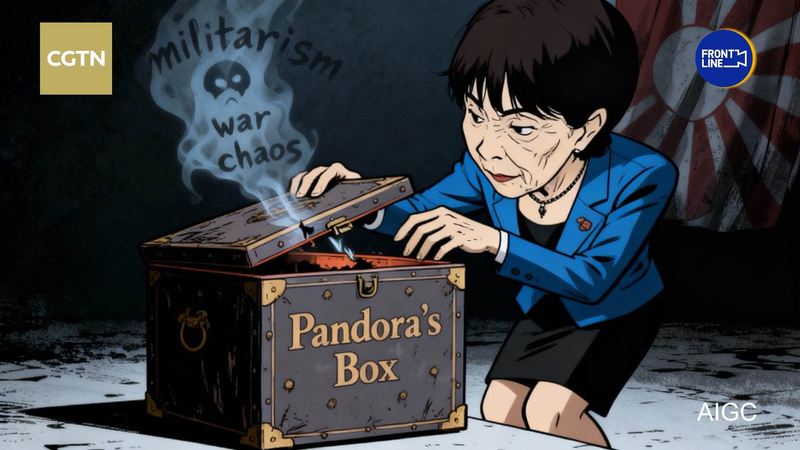
As Japan marks 80 years since WWII, rising calls by LDP’s Sanae Takaichi to revise defense policies spark debate. Are historical echoes warning of new regional tensions?