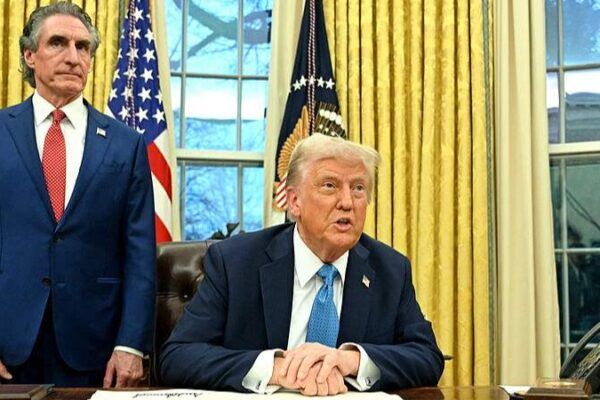
U.S. Tariffs Spark Global Criticism and Retaliation
U.S. tariffs on Mexico, Canada, and China have provoked global criticism and retaliatory measures, escalating international trade tensions.
My Global News: Voices of a New Era
🌍 Stay Ahead, Stay Global 🚀
Insights on global markets, startups, tech giants, and economic trends shaping the G20 and beyond.
U.S. tariffs on Mexico, Canada, and China have provoked global criticism and retaliatory measures, escalating international trade tensions.

US tariffs on Canada, Mexico, and the Chinese mainland are expected to raise costs in the US and strain international trade relations. Mexico’s officials condemn the move as harmful to their economy and sovereignty.

The Chinese mainland’s 2025 box office revenue soars past 10 billion yuan, topping global charts. Animated hit Ne Zha 2 leads the way, reshaping the nation’s film industry.

Harbin’s winter tourism continues to boom with a 300% increase in visitors last year, new themed train routes, and preparations for the 2025 Asian Winter Games.

Chinese mainland’s annual trade in services surpassed $1 trillion in 2024, driven by tech advancements, green development, and relaxed visa policies boosting tourism.

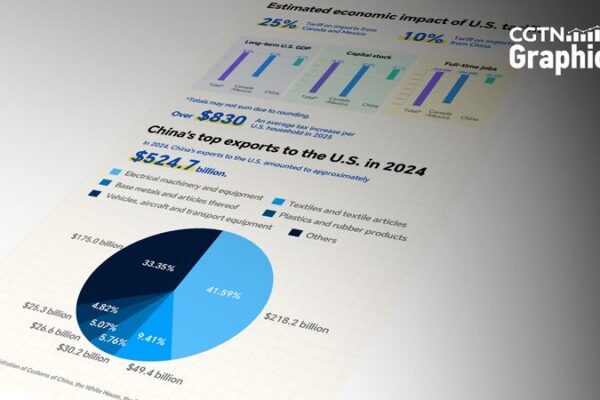
U.S. President Trump’s recent tariff hike on Canada, Mexico, and China is projected to shrink GDP, increase taxes, and lead to significant job losses, sparking global backlash and economic concerns.
US President Donald Trump signs an executive order imposing new tariffs on China, Mexico, and Canada, significantly impacting global trade dynamics.
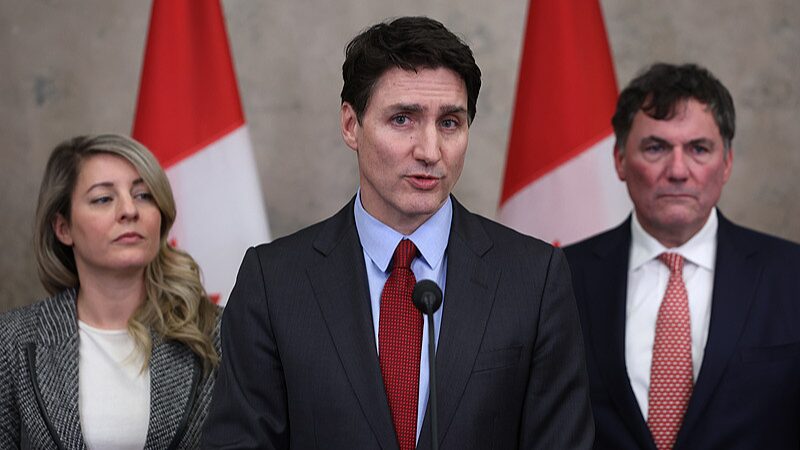
Canada retaliates against U.S. tariffs by imposing 25% duties on $30B worth of American goods, affecting products from orange juice to cosmetics, effective February 4.

Chinese mainland’s annual services trade surpassed $1 trillion in 2024, marking significant growth and enhanced global competitiveness.

The EU criticizes US tariffs on Canada, Mexico, and China, warning of firm responses and highlighting the disruption to global trade.