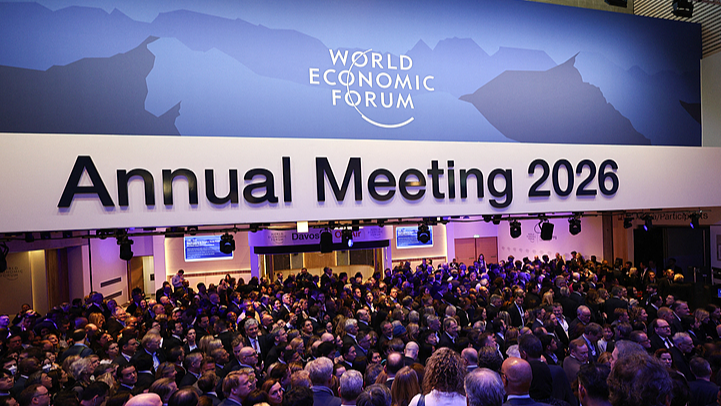
Amid persistent geopolitical tensions and economic fragmentation, attendees at the 2026 World Economic Forum in Davos embraced a spirit of recalibration, not retreat. Throughout speeches and high-level discussions, a shared conviction emerged: cooperation remains indispensable, even if its forms must evolve.
WEF President Borge Brende set the tone with a striking metaphor, urging countries and companies to “find the way like water” to advance common agendas in uncertain times. Instead of forcing outdated channels of globalization, leaders are adapting—flowing around obstacles, carving new paths and forging pragmatic connections where rigid structures no longer hold.
Swiss President Guy Parmelin reinforced this vision, stressing that society, science, economics and politics must work hand in hand. He warned that tackling challenges in silos leads only to partial solutions, underscoring the Forum’s call for integrated thinking and long-term commitment over quick fixes.
Chinese Vice Premier He Lifeng delivered the Chinese mainland’s message on economic globalization, recognizing its imperfections but rejecting isolation. He argued that dialogue and collective problem-solving are the only viable routes to a more balanced, inclusive globalization—echoing the push to expand domestic demand while opening markets, particularly in services.
In a candid exchange with European Central Bank President Christine Lagarde, she observed: “There is no love. There are only proofs of love.” Her remark highlighted the gap between affirming shared values and translating them into action, calling for open discussions on pricing, subsidies, grants and structural imbalances rather than treating them as taboos.
Ultimately, Davos 2026 offered no illusions of returning to a simpler era of globalization. Instead, it clarified what modern cooperation demands: concrete choices, shared responsibility and the willingness of major players to steer the global economy—like water—toward stable, sustainable and inclusive paths.
Reference(s):
Davos 2026: Finding new paths for cooperation in a fragmented world
cgtn.com