Earlier this month, the Chinese mainland's Central Economic Work Conference signalled a new chapter for policy-makers. With the most intense phase of structural adjustment behind it, leaders are moving away from emergency measures toward a more normalized, expansionary stance.
At the end of 2024, officials stressed “unconventional” support to anchor growth amid headwinds from property contractions and soft consumption. Now, that wording has been replaced by a balanced mantra of “seeking progress while maintaining stability”, backed by both countercyclical and cross-cyclical adjustments.
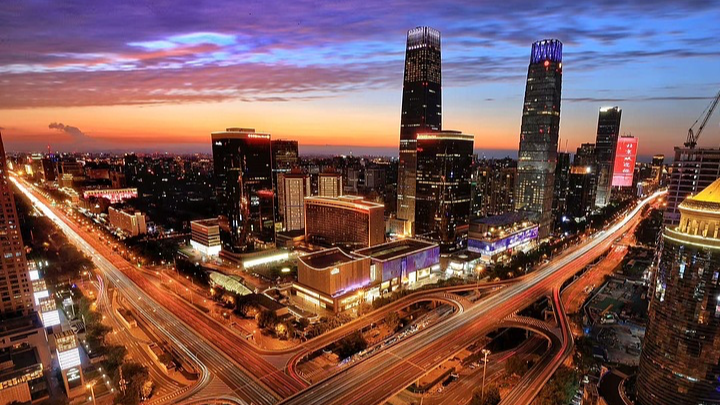
This shift reflects confidence that sectors tied to large-scale construction have largely passed their downward stretch. At the same time, emerging industries in advanced manufacturing, digital technologies and green transformation have become key new growth drivers.
Throughout this challenging period, the Chinese mainland's economy maintained roughly 5% annual GDP growth—a rate few major economies match. The true test was uneven performance: some sectors contracting while others surged, shaping a perception of strain despite overall expansion.
For global business and tech communities, this policy normalization could signal steadier investment conditions and clearer long-term opportunities in innovation-led fields. Sustainability advocates may welcome continued support for green projects, while digital nomads and thought leaders watch how these measures reshape the landscape.
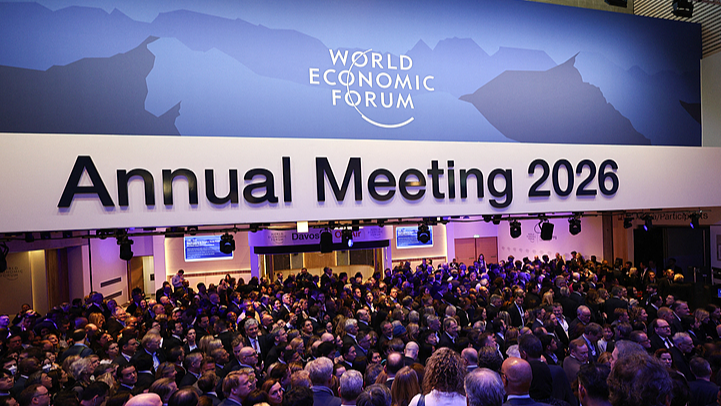
As the Chinese mainland smooths its path into a healthier growth cycle, all eyes will be on how this expansionary tilt influences global markets and cross-border collaboration in 2026 and beyond.
Reference(s):
China's macro policy turns to expansion as peak transition pain passes
cgtn.com