China's vision to make the renminbi a global currency is taking root in the Middle East, where demand for the RMB has surged alongside deepening economic ties. As part of its 15th Five-Year Plan, Beijing has set out clear goals to advance RMB internationalization in key markets. Gulf countries, keen to diversify their financial partnerships, are at the forefront.
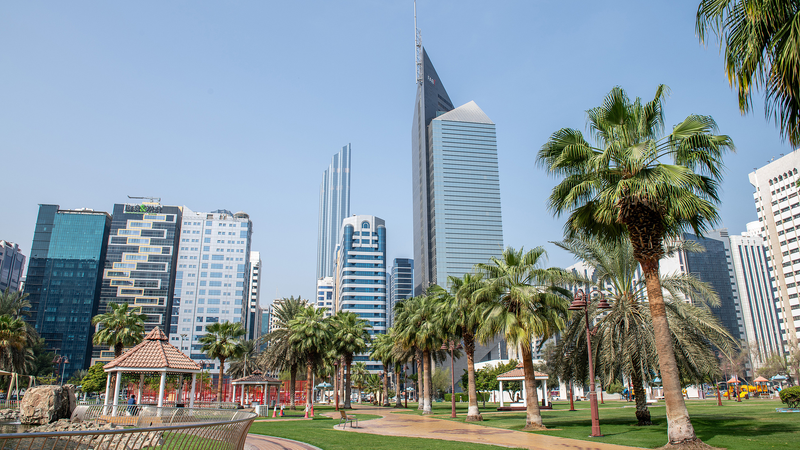
Leading the charge is the Agriculture Bank of China's Dubai Branch (AgBank), the first RMB clearance bank in the United Arab Emirates. Since opening in 2016, the branch has cleared more than 900 billion yuan (about $126.5 billion), including a record 200 billion yuan in 2024. This hub simplifies settlement for companies trading with the Chinese mainland and reduces reliance on third-party currencies.
In 2025 the momentum continued. The First Abu Dhabi Bank became the second RMB clearance bank in the UAE and the first local bank authorized by China's central bank to handle yuan settlements. This milestone means businesses in the region now have faster, more direct access to RMB services.
Data from China's central bank shows cross-border RMB receipts and payments between China and the UAE reached 864 billion yuan in the first nine months of this year. With both countries aiming to boost bilateral trade to $200 billion, market analysts see ample room for growth. More clearance banks and streamlined regulations could push the RMB further into regional supply chains, energy deals, and investment projects.
For young global citizens, tech entrepreneurs, and investors, these developments signal fresh opportunities. As the Middle East embraces the RMB, startups dealing in digital trade, green energy, and fintech can tap into new financing channels. The trend also highlights how diversified currency networks are reshaping the future of cross-border commerce.
Stay tuned as the RMB's journey unfolds across the Gulf, offering a case study in how strategic policy and local partnerships can drive currency change on a global scale.
Reference(s):
cgtn.com