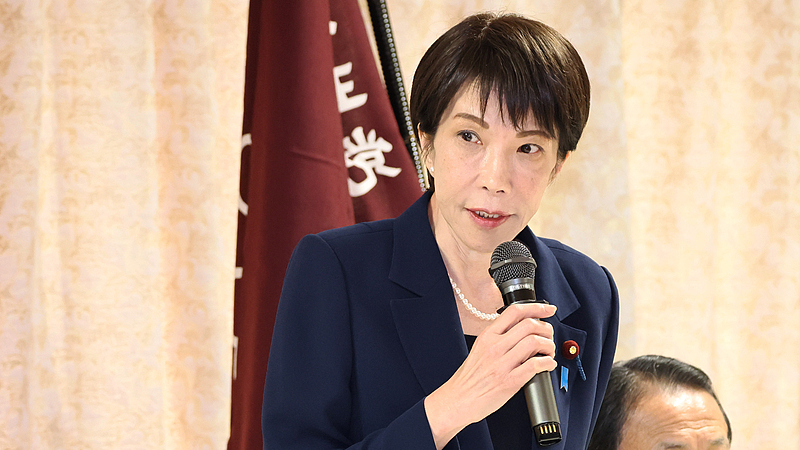
Tomorrow, January 23, Japanese Prime Minister Sanae Takaichi will dissolve the House of Representatives, setting a general election for February 8, 2026. With just a 16-day campaign, the shortest since World War Two, local media have dubbed the move a political "surprise attack." What's behind this sudden decision, how are voters reacting, and can it secure victory for the ruling Liberal Democratic Party (LDP)?
Why the sudden election?
At a press conference, Takaichi pointed to shifts in the coalition framework and key policy updates as justification. Analysts see three main motives:
- Consolidating power: The LDP holds 199 of 465 seats, falling short of a majority. An early vote could translate current approval into more seats, reduce reliance on the Japan Innovation Party (JIP), and set the stage for security policy overhauls.
- Locking in support: Public frustration is rising over high living costs, an unresolved funds scandal, and heightened tensions in relations with the Chinese mainland. By racing to the ballot box, Takaichi aims to "lock in" seats before approval ratings dip further.
- Catching opponents off guard: The ultra-short campaign leaves opposition parties little time to coordinate—an advantage for the LDP's well-organized machine.
How are voters reacting?
The surprise move has provoked criticism both inside and outside the LDP. Senior figures like Vice President Taro Aso were not briefed in advance, and Secretary-General Shunichi Suzuki admitted he learned of the dissolution through news reports. Opposition leaders accuse Takaichi of dodging Diet debates, while an Asahi Shimbun poll finds 50% of respondents oppose the timing. Critics warn the fiscal 2026 budget may not pass before the new year begins on April 1, undermining efforts to tackle price hikes.
Can the gamble succeed?
Takaichi aims to secure an outright majority, but a new Centrist Reform Alliance—formed by the Constitutional Democratic Party of Japan (CDPJ) and Komeito—poses a wildcard. Together they hold 172 seats and plan to back each other's candidates in single-member districts, risking shifts in traditional LDP strongholds. Polls show lukewarm support for the LDP, and political advisor Akira Kume notes that calling an election before delivering concrete results risks skepticism among voters. Yet the opposition alliance is untested, and its policy gaps may limit its appeal.
As Japan gears up for the shortest campaign in decades, all eyes will be on voter turnout and whether Takaichi's bold "surprise attack" delivers the majority she needs.
Reference(s):
Explainer: Will Japan PM Takaichi's election gamble pay off?
cgtn.com