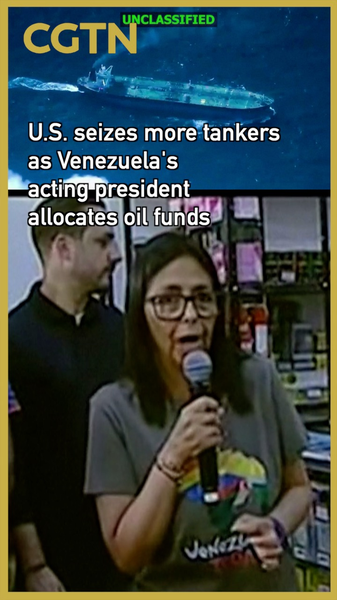
In a move intensifying its maritime blockade, the U.S. announced this week the seizure of another oil tanker linked to Venezuelan exports. The latest action underscores growing tensions over control of Venezuela's energy industry as global markets watch closely.
The tanker, identified by U.S. authorities as carrying crude oil under contracts backed by Washington, was intercepted in international waters. It joins a series of vessels halted since the blockade began, aimed at restricting shipments from the Maduro government to pressure political concessions.
Days before the seizure, Venezuela’s acting president, Delcy Rodriguez, announced a $300 million allocation from U.S.-backed oil sales, earmarked to support the country’s oil sector workers. She described the funds as a lifeline to sustain operations and protect jobs amid crippling economic sanctions.
Critics, however, argue that Rodriguez glossed over deep disputes over which faction controls seized ships and the broader revenues from the sales. Opposition figures and industry analysts point out that ambiguity around asset ownership could delay payments to workers and prolong legal wrangling.
'The seizure of tankers not only affects Venezuela's capacity to deliver crude but also complicates the flow of funds meant for social programs,' says energy analyst Mariana Lopez. 'Workers may face uncertainty if legal battles drag on.'
For young global citizens, entrepreneurs, and tech enthusiasts, these developments highlight how geopolitical maneuvers can ripple through emerging markets and energy prices. Travelers and digital nomads tracking flight costs or planning extended stays may soon feel the impact at the pump.
As thought leaders and changemakers debate the ethics of sanctions and blockades, sports and entertainment fans might see higher event ticket prices or sponsorship shifts tied to oil revenue fluctuations. Meanwhile, business communities across the G20 are monitoring whether new oil funds can stabilize Venezuela's battered economy or if further seizures will deter investors.
The U.S. and Venezuela remain at an impasse. With global attention fixed on energy security and political legitimacy, the next chapter in this unfolding saga could redefine how economic sanctions shape 21st-century diplomacy.
Reference(s):
U.S. seizes more tankers as Venezuela's acting president allocates oil funds
cgtn.com