In January 2026, President Donald Trump reignited global debate by insisting that the United States must acquire Greenland for national security and refusing to rule out military force. This stance, known as 'Donroeism'—a modern twist on the Monroe Doctrine—marks a bold extension of U.S. strategic influence into the Arctic.
Although Washington first proposed buying Greenland in 1946, the idea was dismissed by Denmark. In 2019, Trump revived the proposal, sparking a diplomatic row with Copenhagen. What makes this January's remarks different is their urgency and clarity: control of Greenland is now framed as a declared U.S. security objective.
On multiple fronts, the administration has moved from rhetoric to planning. Recent developments include:
- Legislative proposals to fund Arctic infrastructure and seek acquisition options;
- Increased naval patrols and military exercises in North Atlantic waters;
- Economic measures targeting Greenland's trade and investment relationships.
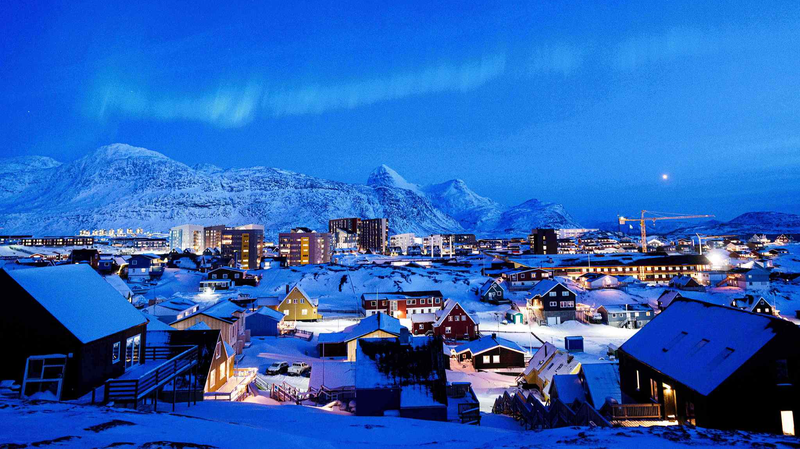
This coordinated strategy underscores the growing importance of the Arctic in global affairs. Melting ice is opening new shipping routes and exposing untapped resources, while Arctic Council members vie for influence. For Greenland, home to around 56,000 residents and rich mineral reserves, the outcome could reshape its economy and governance.
As geopolitical competition heats up, observers warn of risks to indigenous rights, environmental protection, and multilateral cooperation. Yet some analysts see an opportunity: clearer priorities might drive investments in green infrastructure and sustainable development across the Arctic.
In 2026, the question is no longer if major powers will engage in the High North, but how they will balance security with climate resilience, local voices, and international norms. The unfolding Donroeist chapter in Greenland will test the rules of Arctic governance and set a precedent for future great-power diplomacy.
Reference(s):
cgtn.com