At a time when multilateralism is under strain, former US President Donald Trump even floated the idea of a "Board of Peace" replacing the United Nations. With the United States withdrawing from the Paris Climate Agreement and the World Health Organization in 2025 and suggesting territorial claims like owning Greenland, the future of global institutions looks uncertain.
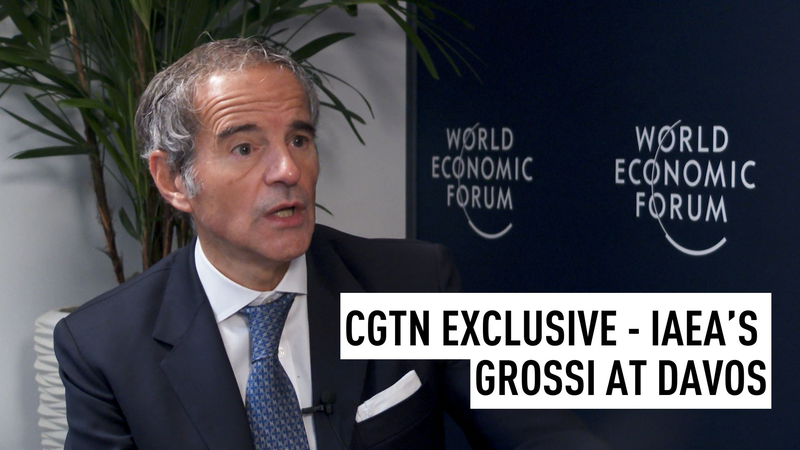
Into this mix steps Rafael Grossi, 64, the Argentine Director General of the International Atomic Energy Agency since 2019. A candidate to succeed UN Secretary-General António Guterres in 2027, Grossi argues that active diplomacy is essential to restore the UN's founding mission.
"I don't think the UN has lost its ability," Grossi told journalists at Davos. "It's not exercising it, maybe, and that is an important matter." Drawing on his IAEA experience — where the agency has mediated on issues from Iran's nuclear programme to tensions between Russia and Ukraine — he sees a path forward.
Created around 80 years ago to safeguard international peace and security, the UN now faces fresh challenges as conflicts and fragmentation rise. Grossi believes reviving diplomatic engagement can rebuild trust and help resolve disputes before they escalate.
"If the UN is nowhere to be seen, then we have a problem," he said. "We have to try to restore the UN to that position. I think I can do it." His vision emphasizes leveraging the UN's convening power and strengthening its capacity to broker deals on everything from nuclear safety to climate action and crisis response.
As the world watches ahead of the 2027 handover, Grossi's campaign highlights a broader debate: Can established institutions adapt fast enough to address 21st-century crises? For young global citizens, entrepreneurs, and changemakers, the outcome will shape the tools available to confront wars, pandemics, and climate risks in the decade ahead.
Reference(s):
UN chief candidate Grossi says diplomacy key for peace and security
cgtn.com