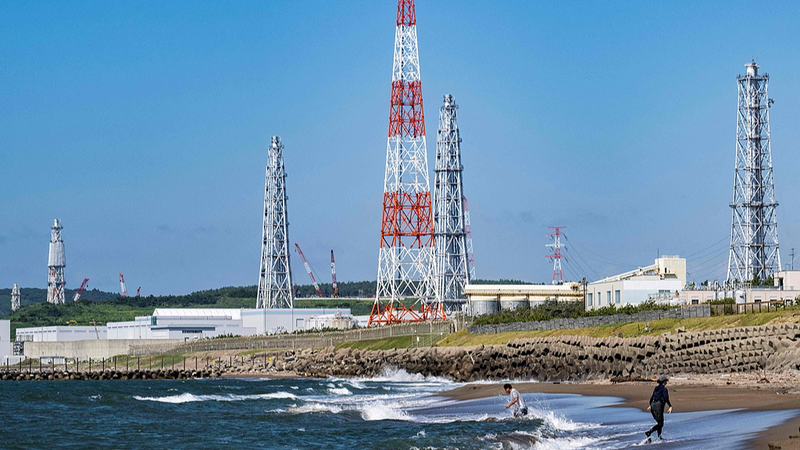
On January 21, 2026, Japan’s Tokyo Electric Power Company (TEPCO) restarted Reactor No. 6 at the Kashiwazaki-Kariwa nuclear power plant in Niigata Prefecture, marking its first nuclear unit to go online since the March 2011 Fukushima Daiichi disaster. The move comes despite a split among residents over safety and environmental concerns.
The seven-unit complex, located about 220 kilometers northwest of Tokyo, received approval from the Nuclear Regulation Authority earlier that day to begin trial operations. TEPCO had initially aimed for a restart on January 20, but postponed after an alarm malfunction during a standard test run.
A survey conducted by the prefectural government showed residents were evenly divided on the restart. In November 2025, Niigata Governor Hideyo Hanazumi endorsed the resumption, and the prefectural assembly followed suit the next month, prioritizing stable power supply and regional economic benefits.
When fully operational, the Kashiwazaki-Kariwa plant can generate up to 8.2 gigawatts—making it the world’s largest nuclear power station by capacity. Its return is poised to bolster Japan’s energy security as the nation seeks to reduce fossil fuel dependence and meet carbon-neutral targets by 2050.
However, the restart reignites debates around nuclear safety, community trust, and disaster preparedness. As Japan balances climate goals with public apprehension, the performance of Reactor No. 6 will be closely watched by energy policymakers, environmental advocates, and global climate watchers alike.
Reference(s):
Japan's TEPCO restarts nuclear reactor despite local opposition
cgtn.com