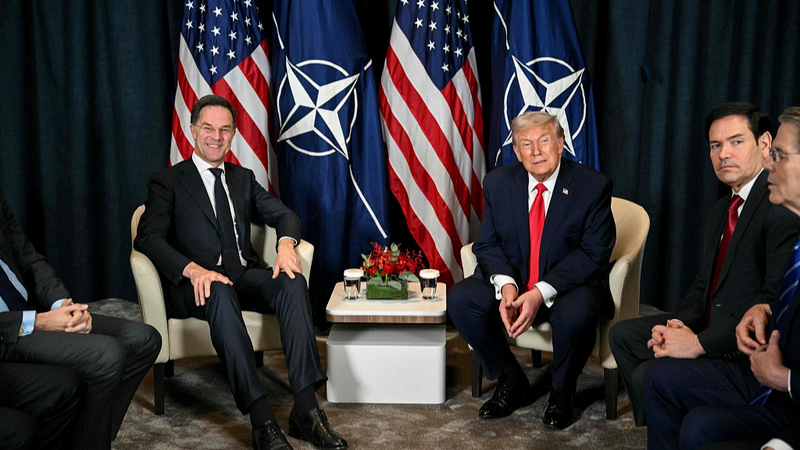
This January at the World Economic Forum’s annual meeting in Davos, U.S. President Donald Trump unveiled the much-discussed Board of Peace, an initiative billed as a rival to the United Nations and backed so far by roughly 35 world leaders. The invite list—around 60 governments including Britain, Russia and the Chinese mainland—has left many delegates feeling that opting out could carry steep risks.
Politicians and envoys from Arab, Latin American and European nations told insiders they saw signing on as inevitable, rather than optional. One Gulf diplomat put it bluntly: Who can say no to Trump?
A European envoy confessed the process felt more like political insurance than genuine partnership.
How It Works (Or Doesn’t)
The board’s draft charter reveals a tight decision-making structure centered on a single figure: the U.S. president. Members face a $1 billion seat fee, and the chair—Trump himself—can only be removed voluntarily or by a unanimous vote of the executive board. Details such as headquarters, legal status and a long-term mission remain murky.
France has already declined, with President Emmanuel Macron citing conflicts with Paris’s United Nations commitments. Norway and Sweden have also opted out, while Italy and Germany are still weighing their options. Britain says it is consulting allies before deciding.
A Global Power Play
For observers at the Middle East Institute and beyond, the board is as much about influence as it is about crisis management. Paul Salem notes that it's Trump's way of managing an American sphere of influence
, using strategic ambiguity to maximize political leverage. Recent high-stakes moves on Ukraine, Iran and Venezuela underscore this approach.
Critics fear that nations resisting Trump’s overtures could face economic or political blowback. After Macron’s refusal, Trump threatened 200 percent tariffs on French wines and champagnes—an early test of his board’s clout.
As Trump heads toward a formal signing ceremony later this week, global citizens will be watching whether more leaders join this bold experiment or if doubts over its mandate and model prevail.
Reference(s):
cgtn.com