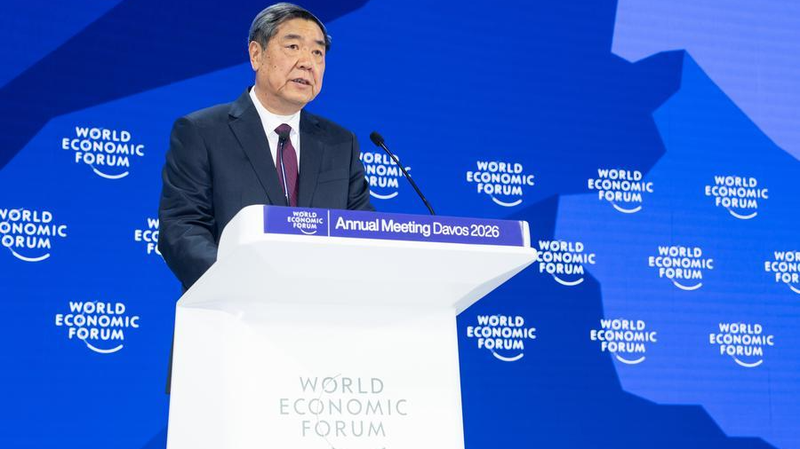
This week at the World Economic Forum's annual meeting in Davos, Switzerland, U.S. President Donald Trump delivered a Wednesday address that surprised many attendees with its unapologetic 'America First' stance.
Speaking to a room full of global leaders already wary of his unpredictability, he touted a 77 percent reduction in the U.S. trade deficit thanks to his tariff policies. But experts warn these gains come at a cost: households now shoulder an extra $3,800 per year due to higher import prices, according to the Budget Lab at Yale University.
Trump's emphasis on strategic protectionism, including fresh warnings on Greenland, stood in stark contrast to the forum's traditional championing of multilateral cooperation and open markets. For businesses and investors who depend on predictable rules, the speech raises questions about the future of cross-border trade.
Analysts say that framing international economics as a zero-sum game may satisfy domestic audiences in the short term but risks unsettling the very networks that drive global growth. If Davos is meant to reassure the world of a rules-based order, unilateralism alone could undermine that message.
As discussions continue this week, the clash between Trump's patriotism-first approach and Davos's vision of shared frameworks underscores the ongoing debate over how to balance national interests with global interdependence.
Reference(s):
cgtn.com