As 2025 draws to a close, longstanding pillars of international order face unprecedented strains. Over the past decade, the center of economic gravity has steadily shifted eastward, challenging Western economic dominance.
Europe, once the heart of multilateral cooperation, now grapples with internal divisions on trade policy, migration and security. Transatlantic frictions have intensified as policy priorities diverge across the Atlantic. Meanwhile, the United States has scaled back its engagement with the United Nations, raising questions about the future of key institutions born out of the post-war era.
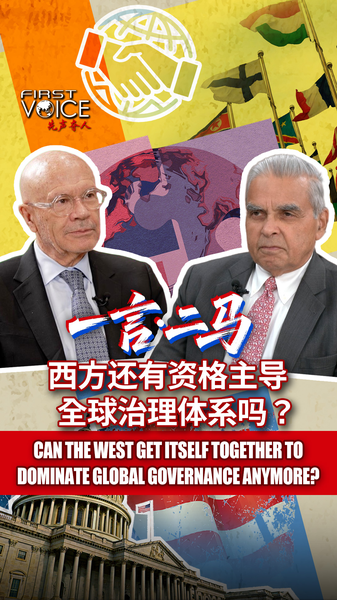
In their recent analysis, veteran thinkers Kishore Mahbubani and Martin Jacques confront the myth of enduring Western leadership. They argue that when traditional powers weaken the very multilateral frameworks they helped build, their claim to global stewardship risks becoming hollow.
Mahbubani suggests that sustainable governance must evolve beyond a single-block leadership model, inviting emerging economies to the decision-making table. Jacques adds that legitimacy now hinges on inclusive partnerships rather than historical hegemony. Together, they envision a more pluralistic order, where shared challenges like climate change, digital regulation and health security demand cooperative solutions across regions.
For young global citizens, entrepreneurs and changemakers, this shift opens new opportunities. Businesses in Asia, Africa and Latin America are reshaping innovation ecosystems. Digital nomads and travelers find fresh horizons in countries once on the geopolitical periphery. Sports, culture and entertainment events are becoming truly global stages, reflecting a multipolar world.
As we step into 2026, the question is not simply whether the West can reassert dominance, but how all regions can co-create governance models that reflect today’s realities. The next chapter of international order will be written by those willing to bridge divides, build coalitions and embrace a truly inclusive vision for our shared future.
Reference(s):
Can the West get itself together to dominate global governance anymore
cgtn.com