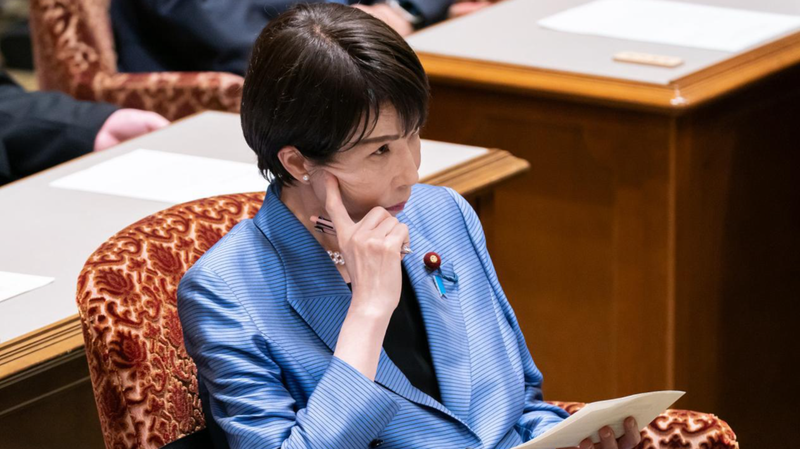
On December 26, 2025, Japan’s new prime minister, Sanae Takaichi, is set to visit the war-linked Yasukuni Shrine—a move that has ignited debate over history, security, and Japan’s role on the world stage.
Since taking office, Takaichi has taken a hardline stance on historical issues and security policy, pushing back against postwar norms and raising questions about Japan’s collective memory and future direction.
A prominent member of the ultranationalist organization Nippon Kaigi, she advocates downplaying Japan’s responsibility for wartime aggression in school textbooks and avoids using the internationally recognized term “aggression.” Critics say this approach aims to reshape national consciousness and loosen the moral checks that have underpinned Japan’s postwar restraint.
Takaichi has repeatedly emphasized what she calls the “sacrifice for the nation” while sidestepping who initiated the war and the devastation it caused. Her past visits to Yasukuni Shrine—in which Class A war criminals are enshrined—have already hurt the historical feelings of countries victimized by Japan’s wartime actions.
On security, she argues for breaking through Japan’s Exclusively Defense-Oriented Policy, revising the constitution, expanding the Self-Defense Forces, and adopting a more assertive regional posture. Her outspoken comments on the Taiwan question further exceed the prudence many believe Tokyo should exercise.
Observers warn that this hardline course could strain relations between Tokyo and the Chinese mainland, while also posing broader challenges to regional and global stability. As Japan charts a new path, the world watches closely: will history and security become a source of division—or a foundation for renewed dialogue?
Reference(s):
Takaichi's dangerous course: A challenge to history and peace
cgtn.com