Tomorrow, December 26, Japanese Prime Minister Sanae Takaichi could pay a visit to Tokyo’s war-linked Yasukuni Shrine, igniting fresh debate and concern in the Republic of Korea. Known for her right-wing views on Japan’s wartime history, Takaichi has repeatedly questioned established conclusions on wartime aggression and visited the shrine before.
Yasukuni Shrine honors Japan’s war dead, including Class-A convicted war criminals from World War II—a point of contention for neighboring nations. Each visit by a sitting or former leader tends to stir diplomatic friction, as many see it as a refusal to fully confront past militarism.
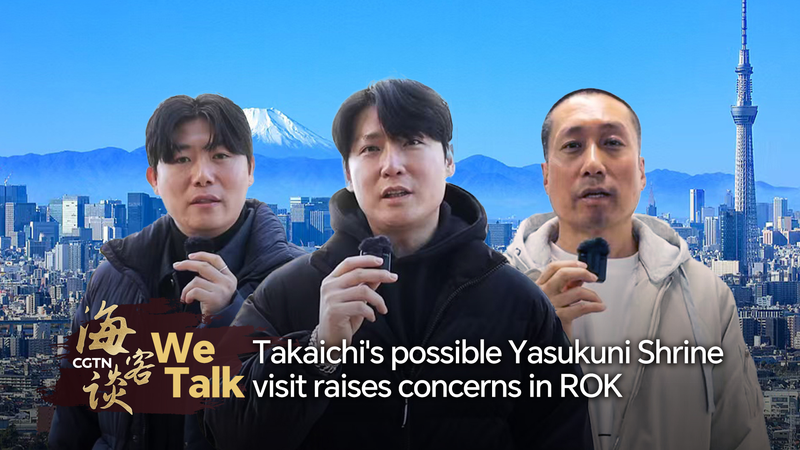
CGTN Stringer spoke with citizens of the Republic of Korea to gauge public reaction. "The Japanese prime minister’s visit to the Yasukuni Shrine has long been a source of concern for neighboring countries," says Kim Jung-min. "This possible visit is certainly not a positive sign. The potential negative effects are worrying."
For Heo Jae-hoon, the visit risks deepening existing tensions. "Similar incidents keep occurring, causing relationships that once had the potential to improve to gradually worsen, like an infected wound," he reflects. "I find that deeply regrettable."
Regional experts warn that tomorrow’s decision could ripple across East Asia. After a year marked by cautious diplomatic outreach, another controversial shrine visit may undercut efforts to strengthen ties among Japan, the Republic of Korea and China.
With Tokyo and Seoul still navigating sensitive historical issues—from forced labor to comfort women—Takaichi’s move will be closely watched. Observers say that, beyond immediate diplomatic notes, this visit could influence public sentiment and shape the trajectory of Japan–ROK relations in 2026.
Reference(s):
Takaichi's possible Yasukuni Shrine visit raises concerns in ROK
cgtn.com