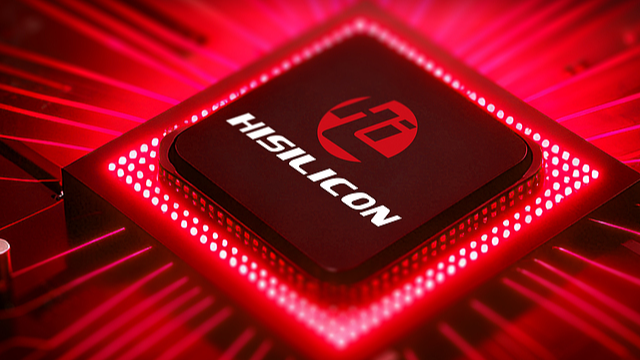
The U.S. Trade Representative (USTR) announced on December 23, 2025, that it will postpone a planned tariff increase on semiconductor imports from the Chinese mainland until June 2027. This decision follows a year-long "Section 301" investigation launched on December 23, 2024.
For the next 18 months, semiconductor imports from the Chinese mainland will remain tariff-free. Future tariff rates will be set with at least 30 days' notice, according to the Federal Register filing published by the USTR.
In the filing, the USTR labels policies in the Chinese mainland's semiconductor sector as "unreasonable," but opted to delay new duties to maintain the current trade truce between Washington and Beijing. Financial news outlet CNBC reports that the move signals an effort to cool trade tensions.
It's important to note that the existing 50% tariff on Chinese mainland semiconductors, imposed on January 1, 2025, remains in place.
Why it matters:
Global tech companies and startups will breathe easier with an 18-month reprieve from new levies. Manufacturers can plan investments without immediate additional costs, though uncertainty looms when tariffs are revisited in 2027. For policy watchers, this delay underscores a balancing act between strategic rivalry and economic stability.
Looking ahead, the USTR will announce any further tariff changes at least a month in advance. As the semiconductor landscape evolves, companies and governments on both sides of the Pacific are watching closely to gauge future trade relations and supply-chain dynamics.
Stay tuned as the next deadline approaches, and let us know: how will this delay shape your tech or business strategies?
Reference(s):
cgtn.com