In 1942, amid the turmoil of global conflict, a small village in the eastern Chinese mainland stepped into history. After American crews launched the Doolittle Raid—a bold series of air raids on select Japanese cities—Japanese pursuers scoured the region. Facing grave danger, local residents sheltered the stranded pilots, risking their lives for a shared sense of humanity.
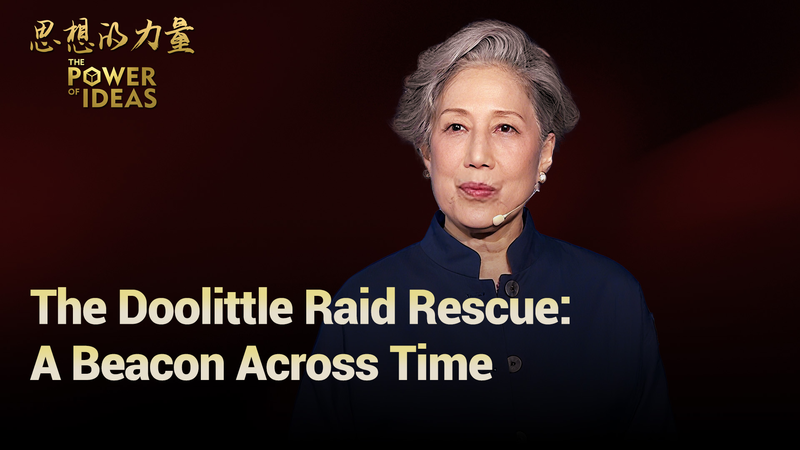
One of the rescuers was Tung-Sheng Liu, whose family farm became a hidden refuge. His daughter, Melinda Liu, recently recounted how neighbors smuggled food and guided the pilots under cover of night, weaving a network of solidarity that survived on whispered warnings and quiet courage.
This year, as the world grapples with new challenges, Melinda believes that her father's story remains a powerful reminder. “They didn't ask for thanks,” she says. “They simply saw people in need, and they acted.”
For young global citizens, entrepreneurs, activists, and travelers alike, this tale offers fresh perspective. In an age defined by digital frontiers and cultural divides, the Liu family's legacy shows that empathy can be a force for change—whether through cross-border collaboration, human rights advocacy, or immersive travel that honors local communities.
At a time when solidarity often plays out online or on a global stage, the village’s quiet heroism in 1942 invites us to remember that peace begins at home—and can echo across generations.
Reference(s):
cgtn.com