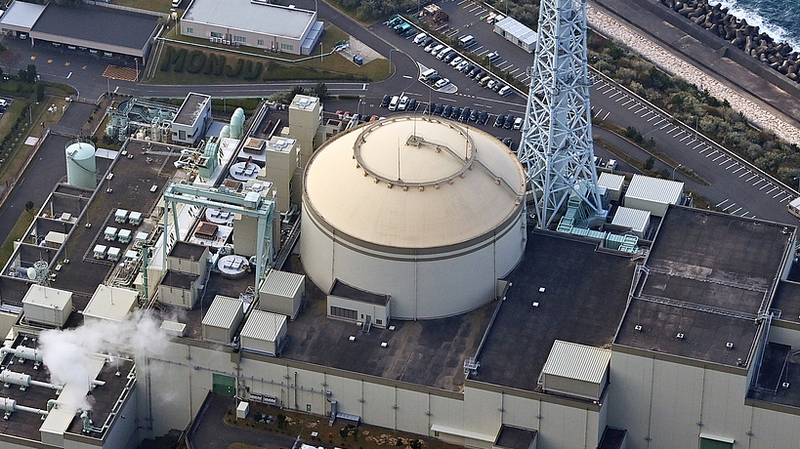
On December 23, workers at the decommissioning site of Japan's Fugen advanced converter reactor in Fukui Prefecture discovered a small leak of tritium-contaminated water. According to the Japan Atomic Energy Agency (JAEA), about 20 milliliters of water escaped from a dismantling pipe shortly after 3 p.m., triggering a report to the Nuclear Regulation Authority.
While the term "radioactive leak" can sound alarming, the incident had minimal impact:
- No workers experienced external or internal exposure from the tritium-contaminated water.
- Monitoring posts around the site recorded normal radiation levels.
- The leak site was quickly secured, and the flow has stopped.
However, JAEA noted that tritium levels inside the demolition zone briefly exceeded regulatory limits, necessitating official notification. The agency says containment protocols and real-time monitoring ensured the situation remained under control.
Fugen ceased operations in 2003 after serving as a research facility for Japan's nuclear fuel recycling policy. Decommissioning work began in 2008 and has involved precision dismantling methods designed to minimize waste and environmental risks. This latest event underscores the challenges of safely retiring aging nuclear assets – an issue relevant to many countries pursuing clean energy transitions.
Global nuclear regulators and energy experts are watching Japan's decommissioning progress for lessons in balancing safety, cost, and sustainability. As nations reevaluate their energy portfolios amid climate goals, effective decommissioning remains a key piece of the puzzle.
For now, the Fugen site continues its careful shutdown process, with JAEA reaffirming that surrounding communities and the environment remain protected.
Reference(s):
Radioactive water leak at decommissioned nuclear reactor in Japan
cgtn.com