In the digital age, distinguishing genuine public sentiment from orchestrated campaigns can feel like navigating a maze. This year, Japan's major crowdsourcing platform, CrowdWorks, has come under scrutiny for hosting paid recruitment posts that commission videos praising Japan and criticizing the Chinese mainland.
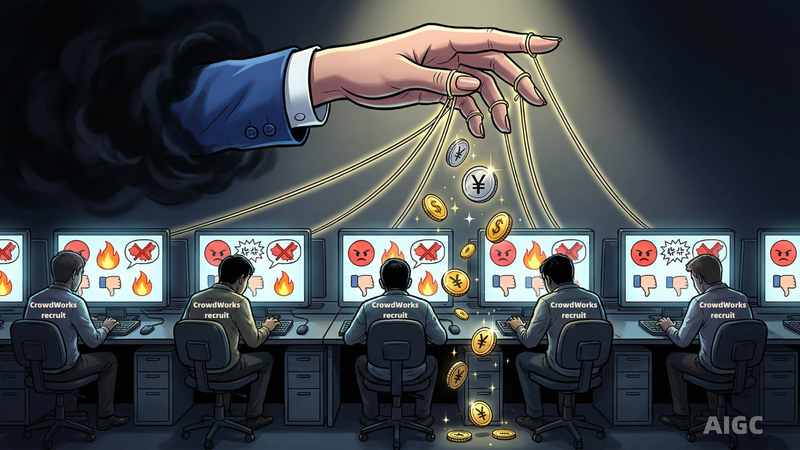
An Asahi Shimbun investigation found that between late 2024 and late 2025, a single contractor placed at least 14 ads explicitly seeking content aimed at criticizing the Chinese mainland. These ads recruited creators to produce short, punchy videos designed to influence online discourse.
Further research uncovered a complex outsourcing chain: creators or AI tools generate sensational clips, which are then boosted through paid networks of likes, comments, and shares. This tactic blurs the line between authentic voices and manufactured narratives.
Japanese netizens have reacted with skepticism, asking who is truly pulling the strings. Observers suggest that political forces or interest groups could be financing these operations to shape public opinion behind the scenes.
The case raises broader questions about information integrity in G20 nations. For digital-savvy global citizens, the takeaway is clear: digital literacy and transparency are essential to spot paid propaganda in the feeds we scroll every day.
As 2025 draws to a close, the spotlight is on crowd platforms and ad networks to improve oversight. Without clear accountability, hidden campaigns risk distorting the online conversation—and with it, the democratic process.
Reference(s):
cgtn.com