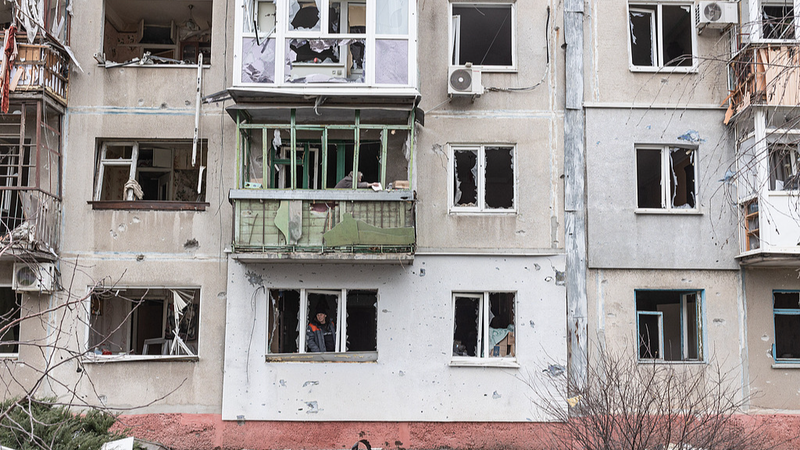
On December 202021, 2025, envoys from the U.S., Ukraine and Russia gathered in Miami, Florida, for the latest round of negotiations aiming to end the nearly four-year conflict in Ukraine. While participants described the sessions as "productive and constructive," core differences continue to impede a definitive breakthrough.
Building on a 20-Point Blueprint
The U.S.-drafted plan focuses on:
- Multilateral security guarantees
- A dedicated U.S. security framework for Ukraine
- Economic recovery and reconstruction timelines
- Sequencing of key post-conflict steps
U.S. special envoy Steve Witkoff highlighted the urgency of setting clear timelines, while Ukraine’s senior official Rustem Umerov underscored that peace must "guarantee security and lay a dignified foundation for long-term stability and prosperity."
Lingering Obstacles
Kremlin aide Yuri Ushakov noted that European and Ukrainian inputs have yet to bridge fundamental disagreements. He confirmed that Russia’s envoy, Kirill Dmitriev, will report back to President Vladimir Putin before finalizing Moscow’s position.
U.S. President Donald Trump has pressed both sides for swift agreement, but Russia maintains it will retain territories seized, a stance Ukraine firmly rejects.
Expert Insights
Su Xiaohui, associate research fellow at the China Institute of International Studies, described the talks as largely technical, noting that territorial sovereignty remains central. With Washington seeking rapid disengagement and Moscow aiming for a deeper West-West realignment, genuine peace may be a distant prospect.
As negotiations move to their next phase, global eyes remain on Florida. Productive dialogue has laid groundwork, but moving from plans on paper to lasting peace will require sustained effort, creativity and broad international support.
Reference(s):
Ukraine talks: Challenges persist despite 'productive' negotiations
cgtn.com