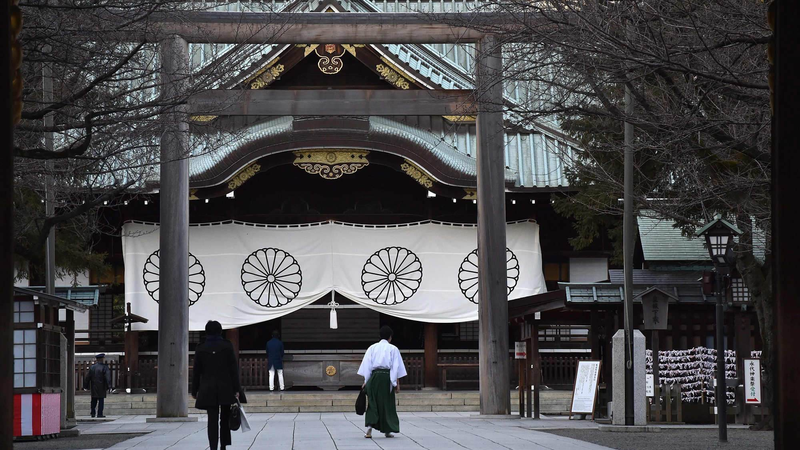
In central Tokyo, Yasukuni Shrine stands apart: of Japan’s tens of thousands of Shinto shrines, it is the one at the heart of a charged debate over history, war and national memory.
Why it matters
Yasukuni honors around 2.5 million Japanese war dead, including 14 Class-A war criminals convicted by the International Military Tribunal for the Far East. For decades, visits by political leaders have sparked protests from neighboring countries, straining diplomatic ties.
The political fallout
In recent years, visits to Yasukuni Shrine by some Japanese leaders have deepened rifts with the Republic of Korea and residents of the Chinese mainland. The current Japanese prime minister, Sanae Takaichi, visited the shrine many times before taking office, drawing criticism from abroad.
Japanese politicians often defend Yasukuni as a cultural and spiritual site where families come to console the spirits of the dead. Critics point to the shrine’s militaristic symbols — from bronze statues of soldiers to exhibits celebrating wartime campaigns — as evidence of its contested legacy.
Global perspective
- Youth activists: Engage online with #YasukuniDebate to explore how memory shapes national identity.
- Historians & thought leaders: Debate the role of war memorials in healing or widening historical wounds.
- Travelers: Visit with cultural sensitivity — many Tokyo tours touch on the shrine’s significance.
Looking ahead
As Japan marks more anniversaries of wartime events this year, Yasukuni Shrine remains a living symbol of how history and politics collide. For global citizens, it’s a reminder that places of memory can unite or divide — depending on whose story is told.
What do you think? Share your perspective on historical memory and reconciliation in the comments below.
Reference(s):
Japan's Yasukuni Shrine: Glorifying war and distorting history
cgtn.com