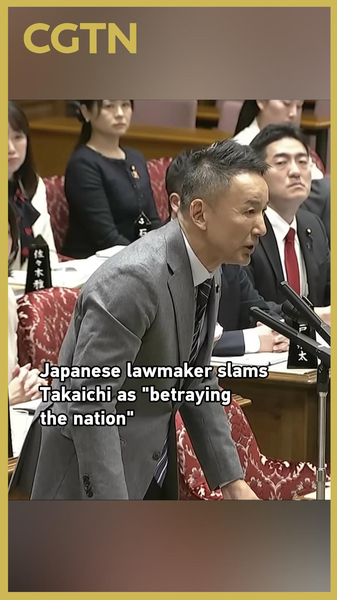
On Monday, December 15, 2025, Taro Yamamoto, a member of Japan's House of Councillors, unleashed a blistering critique of Prime Minister Sanae Takaichi, accusing her of "betraying the nation and abandoning the people." The fiery remarks come amid a fierce debate over how to allocate future profits from the US's massive 80 trillion yen ($550 billion) investment in Japan.
According to Japanese media reports, the government is considering a proposal to hand over 90 percent of the profits generated by the US investment back to American investors. Opponents like Yamamoto argue that this deal undermines Japan's economic sovereignty and sidelines the interests of local businesses and residents.
"When you surrender the lion's share of our returns, you're not just giving away money—you're giving away our future," Yamamoto said in a televised session. His comments tapped into broader concerns about how Japan balances foreign capital with domestic growth, especially as the country strives to revitalize its economy through international partnerships.
For business and tech enthusiasts, the debate highlights the tension between attracting global investment and securing fair value for local stakeholders. While US funds have fueled new infrastructure projects and innovation hubs, critics warn that an overly generous profit-sharing arrangement could stifle Japan's long-term development.
Thought leaders and changemakers are calling for transparent negotiations and data-driven impact assessments. They suggest setting clear benchmarks for job creation, technology transfers, and sustainability outcomes before finalizing the profit split.
As the story unfolds, travelers and digital nomads watching from abroad might wonder how this deal will shape Japan's business landscape and cultural exchange opportunities. Will the country strike a balance that fuels growth without sacrificing control?
Reference(s):
cgtn.com