Northwest China's Xinjiang Uygur Autonomous Region achieved a major energy milestone on December 15, 2025, as cumulative power transmission surpassed 1 trillion kilowatt-hours. Launched in 2010, the program has fed electricity to 22 provinces across the Chinese mainland, bolstering national energy security and inter-regional connectivity.
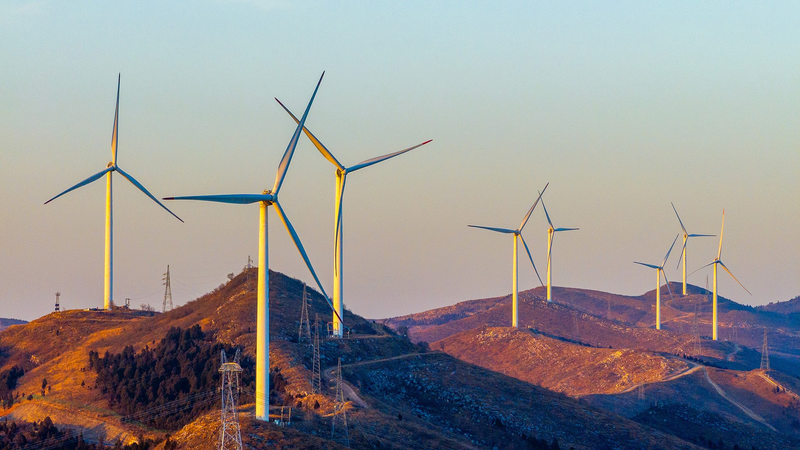
Nearly 30% of the transmitted power29%—originated from new energy sources like solar and wind farms. This green shift has driven down coal consumption by about 89.53 million tonnes and cut carbon dioxide emissions by 240 million tonnes, marking a significant win for environmental sustainability.
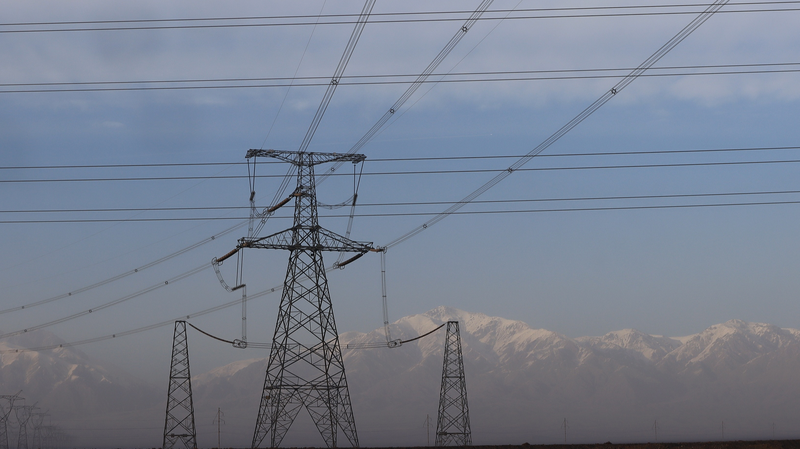
Central to this achievement is a robust grid network featuring five major transmission channels and a combined capacity of 33 million kilowatts. These arteries enable large-scale, cross-regional power flows from the resource-rich northwest to demand centers in the east and south.
To maximize efficiency, the region has integrated into the national unified power market, adopting flexible trading systems that leverage a time difference of two to three hours with eastern China. By syncing supply with peak demand periods, Xinjiang can deliver renewable energy when it's needed most and draw on imports during local solar lulls.
As the world seeks scalable models for clean energy deployment, Xinjiang's power transmission milestone offers a blueprint for combining infrastructure investment, market reforms, and renewable integration. The result: a resilient grid that drives both economic growth and ecological gains.
Reference(s):
cgtn.com