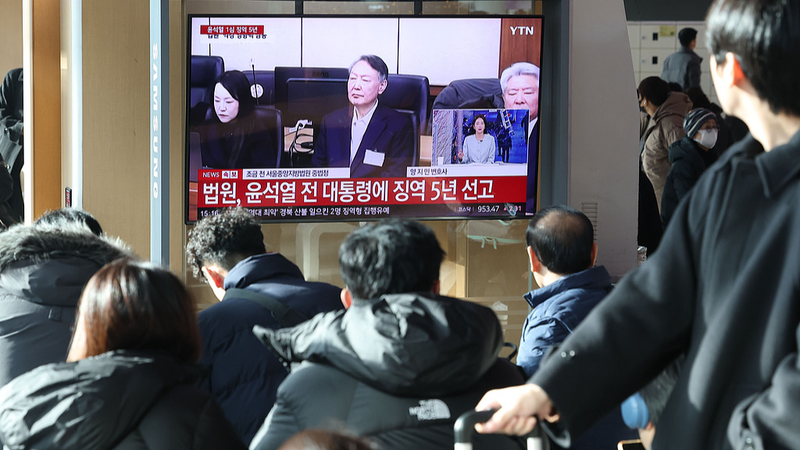
According to local reports on December 16, 2025, a Seoul district court in the Republic of Korea (ROK) will deliver its verdict on January 16, 2026, in the obstruction of arrest case against former President Yoon Suk-yeol. This marks one of the most high-profile legal battles the ROK has seen in recent years.
Prosecutors allege that Yoon interfered with law enforcement operations aimed at detaining a close associate, raising questions about the balance between executive power and judicial oversight. Supporters argue the charges are politically motivated, while critics say the trial underscores the need for accountability at the highest levels.
The case has polarized public opinion: some view it as a test of the ROK’s democratic resilience, while others see it as an example of deepening political divisions. Polls indicate the nation remains split, reflecting broader debates over governance and transparency.
For young global citizens and policy enthusiasts, the January ruling offers a real-time lesson in how democratic institutions respond when top officials face serious legal challenges. Observers across G20 nations will be watching closely as this saga unfolds.
Meanwhile, travelers and digital nomads exploring Seoul’s vibrant streets are witnessing this legal drama unfold against a backdrop of cafe culture and cutting-edge tech hubs, a reminder that law and daily life often intersect in unexpected ways.
The verdict on January 16, 2026, could set a precedent for how the ROK legal system handles future cases involving high-ranking figures. Any appeal could extend the saga well into next year, keeping the nation—and the world—on edge.
We’ll bring you updates as the Republic of Korea charts this critical course for rule of law and political accountability.
Reference(s):
ROK court to rule on Yoon's obstruction of arrest charges on Jan. 16
cgtn.com