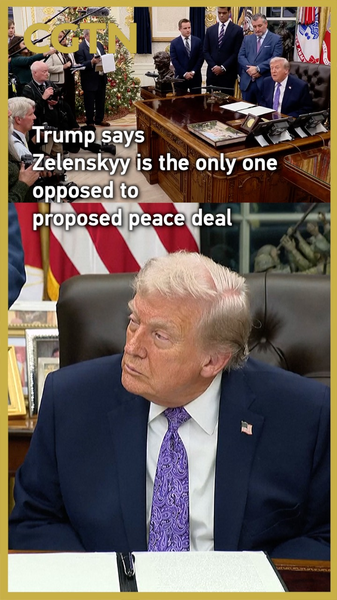
On December 11, 2025, during a news briefing in Washington, U.S. President Donald Trump claimed the United States had been "very close" to securing a landmark peace agreement involving territorial adjustments between Russia and Ukraine.
According to Trump, public sentiment across Ukraine largely favored the proposed plan. He insisted that apart from Ukrainian President Volodymyr Zelenskyy, who he described as the lone dissenting voice, most Ukrainians supported the framework aimed at ending the long-running conflict.
The crux of the proposal, as outlined by the president, centered on territorial arrangements to redefine control along key frontlines. While Trump did not disclose all details, he emphasized that the deal could have offered a pathway to stability in the region.
However, Zelenskyy's rejection of the plan highlights deep divisions over sovereignty, national identity, and the stakes of territorial concessions. Since Russia's full-scale invasion in early 2022, Kyiv has insisted on restoring its internationally recognized borders without compromise. For many Ukrainians, any cession of territory raises concerns about security and accountability.
This clash of perspectives arrives at a critical moment. Recent surveys indicate that young global citizens, shaped by digital information flows and social media discourse, are closely watching how world leaders navigate complex peace processes. Entrepreneurs, activists, and students are asking tough questions: can diplomacy reconcile national interests and human rights? What role do influencers and thought leaders play in shaping narratives around conflict resolution?
Travelers and digital nomads, many of whom journey through Eastern Europe, are also tracking developments that could impact regional safety and cultural exchange. Meanwhile, business and tech communities eye potential shifts in Ukraine's recovery trajectory, which could influence investment trends and startup ecosystems emerging from wartime innovation.
As December headlines roll in, the focus turns to what comes next. Will renewed negotiations emerge? Can mediated talks bridge the gap between leadership stances? And how will global audiences, from sports fans to policy wonks, interpret the signals sent by world powers in real time? One thing is clear: in the ever-evolving story of the Russia-Ukraine conflict, every voice counts – and none more so than those on the frontlines of history.
The coming days will test diplomatic channels and public opinion alike, as stakeholders weigh the costs and benefits of peace.
Reference(s):
Trump claims Zelenskyy the only one opposed to proposed peace deal
cgtn.com