As global uncertainty peaks in late 2025, China’s economic strategy is reshaping foreign investment by prioritising quality, stability and long-term resilience. Against a backdrop of supply chain realignment and geopolitical tensions, businesses around the world are still betting on China’s market potential.
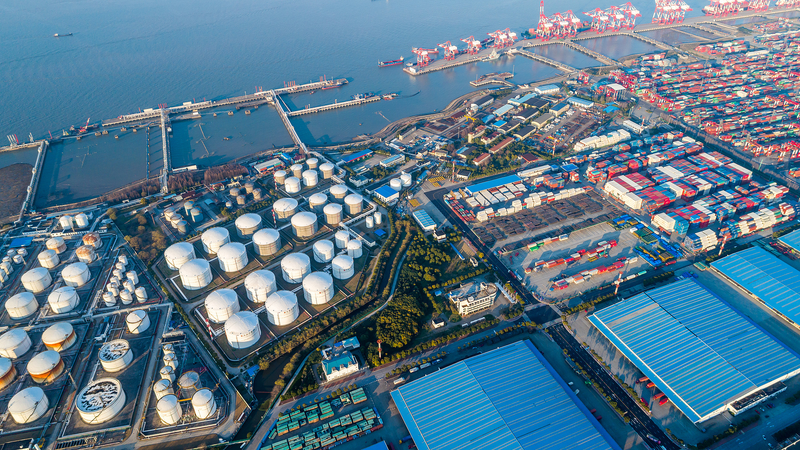
The international environment has evolved rapidly this year. Protectionist measures and economic fragmentation have altered investment flows, yet China remains deeply integrated into global manufacturing and consumption networks. By maintaining openness to high-quality foreign direct investment (FDI) and pursuing self-reliance in critical sectors, China is positioning itself as a stabilising force in an unpredictable landscape.
Recent data from 2025 highlight this shift. Although the total value of FDI saw a short-term dip, the number of newly registered foreign-invested enterprises rose steadily, signalling enduring confidence from global firms. Rather than withdrawing, businesses are pivoting towards opportunities in high-growth areas such as high technology, smart manufacturing, digital services and new energy industries.
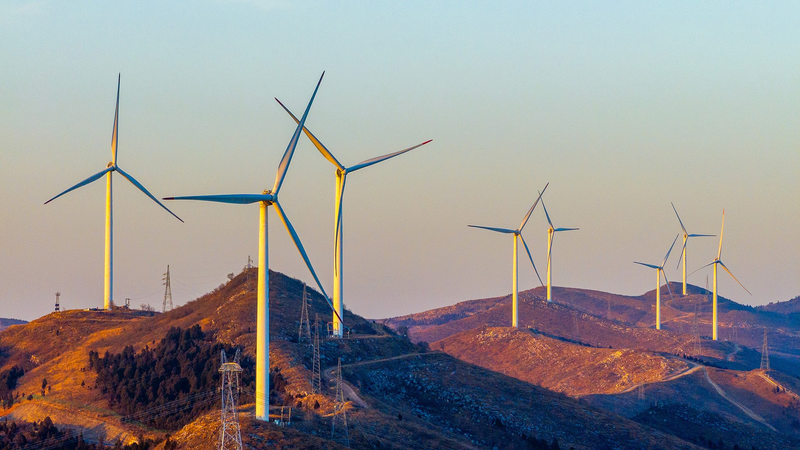
This strategic reorientation offers clear advantages. Technological advancement and a growing domestic consumer base are driving demand for innovative products and services. Multinational companies are teaming up with local partners to accelerate tech upgrades and tap into China’s vast market. At the same time, policy support for green energy and digital infrastructure is creating fresh avenues for investment.
Looking ahead, analysts expect China’s emphasis on quality over quantity to yield more sustainable growth. By balancing domestic priorities with an inviting environment for strategic FDI, China’s 2025 growth model may set a new benchmark for global economic cooperation—one that blends technological progress with market dynamism.
Reference(s):
cgtn.com