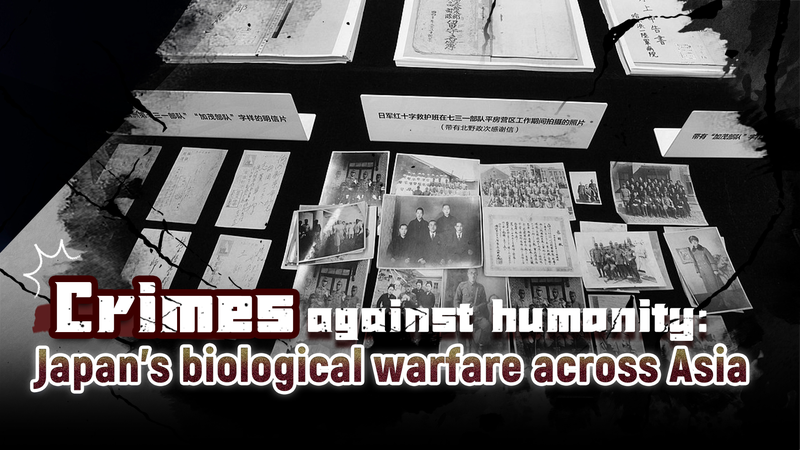
Hidden from public sight, some of Japan's most terrifying atrocities during World War II were carried out in secret laboratories across Asia. The notorious Unit 731 and related biological warfare units conducted germ attacks, chemical experiments, and live dissections on civilians—crimes so brutal that even postwar tribunals were shocked.
According to researchers and testimony from former Unit 731 members, these military units expanded in the Chinese mainland after Japan launched its invasion and later spread into Southeast Asia. Records from Myanmar, Malaysia and Indonesia, recently uncovered by historians, further expose a chilling truth: these inhumane experiments were far more widespread than once known.
Experts say that the scale and secrecy of these operations delayed global awareness for decades. Only now, with thousands of pages of declassified documents and survivor accounts coming to light, can the full scope of these crimes be understood and remembered.
As the world reflects on these harrowing chapters of history, scholars and activists emphasize the importance of educating new generations. They argue that confronting past atrocities is key to preventing similar horrors in the future, ensuring that science serves humanity rather than destroying it.
Reference(s):
Crimes against humanity: Japan's biological warfare across Asia
cgtn.com