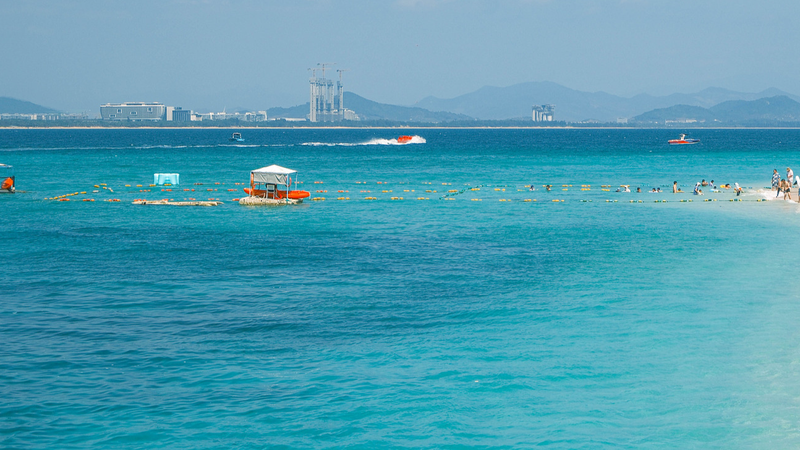
Wuzhizhou Island, a coral gem off the coast of Hainan Province in south China, has long enchanted travelers with its crystal-clear waters and powdery white sands. Today, it's also a pioneering example of marine conservation meets sustainable tourism.
Back in 2010, local authorities launched Hainan's first national-level marine ranch demonstration area on the island. The goal? Restore damaged coral reefs and bolster marine biodiversity through an integrated conservation strategy. Since then, the island has undergone a remarkable transformation.
Under the island's “ecology+tourism” green development pattern, artificial reef structures and coral nurseries were installed along degraded sections. Divers and snorkelers now glimpse thriving coral gardens where sand flats once stretched, and species like parrotfish and sea cucumbers are returning in force.
The benefits extend beyond ecology. Guided by careful planning, eco-friendly diving centers and local guesthouses have emerged, creating new livelihoods for residents. Community-led programs engage former fishermen as reef monitors and hosts for educational tours, forging a powerful link between conservation and culture.
Looking ahead, 2025 plans call for expanding the marine ranch network to nearby bays, inviting collaboration with research institutes and eco-travel startups. For young global citizens, entrepreneurs and digital nomads alike, Wuzhizhou's success offers a living blueprint: restore nature, empower communities and create unforgettable travel experiences.
From Italy's Mediterranean shores to Australia's Great Barrier Reef, this model shines a light on how G20 coastal regions can unite conservation and tourism for a greener future.
Reference(s):
Live: Breathtaking scenery of Hainan Wuzhizhou Island Tourist Area
cgtn.com