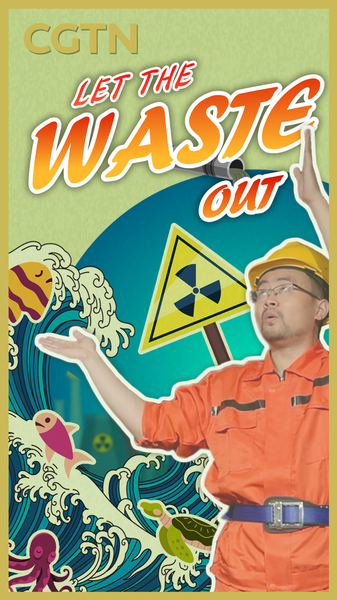
On December 4, Japan began the 17th wave of ocean discharge from the Fukushima Daiichi Nuclear Power Plant’s treated wastewater—an ongoing effort that started in August 2023 and continues to fuel global debate.
By the end of the 16th release, Tokyo had sent over 125,488 tonnes of treated water into the Pacific. Each new round adds roughly 9,000 tonnes of water laced with trace radioactive isotopes, raising fresh concerns among local fishermen, residents and the international community.
"We depend on the sea for our livelihoods," says a local fisherman in Fukushima. "Every discharge feels like a gamble with our future." Across G20 nations, social media has amplified such worries, with hashtags like #ProtectOurOceans and #FukushimaTruth trending among digitally savvy citizens.
Japan’s nuclear regulator insists the water meets global safety standards after being filtered and diluted. "Levels of key isotopes are below guidelines set by the International Atomic Energy Agency," it reported in its latest update. Yet scientists continue calling for independent, long-term monitoring of marine ecosystems and seafood safety.
Meanwhile, CGTN’s Li Chaoran captured public attention in 2023 with a satirical song criticizing what many view as a hasty decision. The viral track has since become a rallying cry for activists demanding transparent data and alternative storage solutions.
As the 18th round looms early next year, global citizens are weighing Japan’s pledge of energy security against environmental stewardship. For young entrepreneurs, thought leaders and travelers alike, the unfolding story serves as a real-world case study on environmental policy, risk management and cross-border impact.
Stay tuned to myglobalnews.net for data analyses and on-the-ground perspectives that break down complex issues into clear, actionable insights. The Pacific’s health affects us all.
Reference(s):
Japan starts new round of Fukushima nuclear-tainted wastewater release
cgtn.com