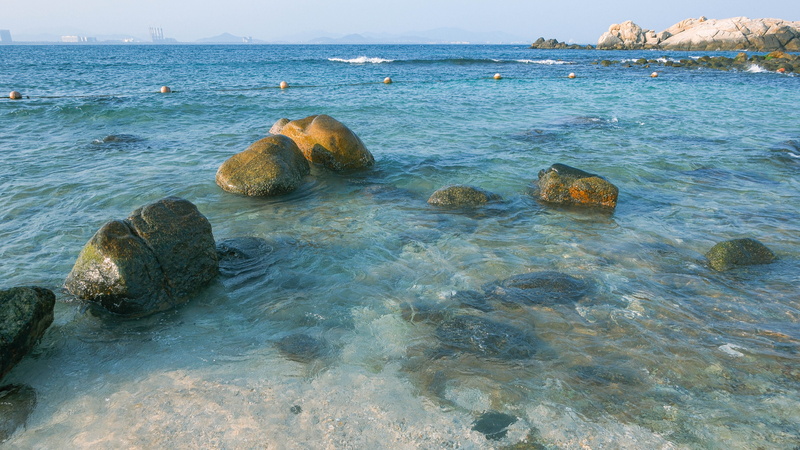
Since 2010, Wuzhizhou Island in south Hainan Province on the Chinese mainland has been pioneering a novel “ecology+tourism” green development model. As the island’s first national-level marine ranch demonstration area, the initiative set out to restore coral reefs while building a sustainable tourism economy.
At the heart of the project is a marine ranch that uses artificial reef structures and strict conservation zones to nurture marine biodiversity. Over the past decade and a half, underwater surveys have documented clearer waters, flourishing coral formations and a steady rebound in fish stocks—key indicators of a healthier marine ecosystem.
On land, the ripple effects are equally impressive. Local residents have transitioned from traditional fishing to new roles as eco-guides, reef monitors and hospitality providers. Small businesses have sprouted, offering eco-friendly tours, snorkeling experiences and educational workshops that immerse visitors in conservation efforts.
By blending data-driven restoration techniques with immersive travel experiences, Wuzhizhou Island has attracted eco-conscious travelers from across the G20 and beyond. The island’s approach demonstrates how targeted investment in nature can deliver ecological resilience, social uplift and economic growth in harmony.
Looking ahead, authorities plan to expand reef recovery zones and incorporate smart sensors for real-time water quality monitoring. As other coastal destinations seek sustainable pathways, Wuzhizhou Island stands out as a live case study in balancing conservation goals with community-driven tourism.
For young global citizens, entrepreneurs and digital nomads, Wuzhizhou Island offers more than breathtaking vistas—it’s a blueprint for how nature-led innovation can shape the future of travel and environmental stewardship.
Reference(s):
Live: Breathtaking scenery of Hainan Wuzhizhou Island Tourist Area
cgtn.com