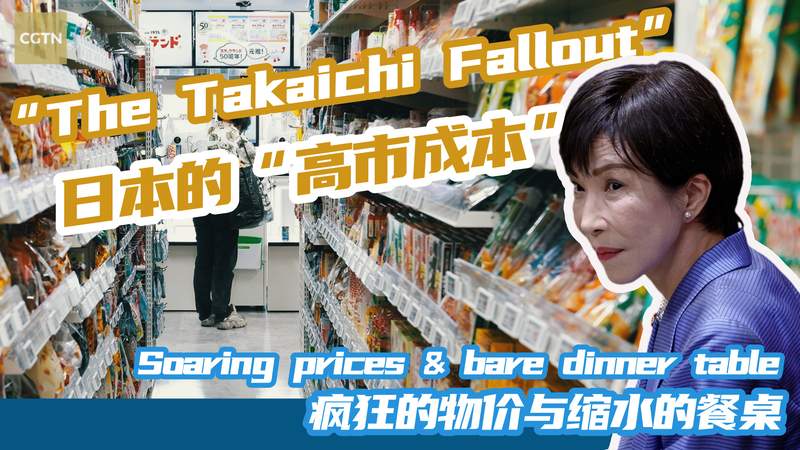
Japan’s households were already stretched thin: rice has become a luxury staple, the yen hovers at historic lows, and personal debt is climbing fast. Then, in early December 2025, Prime Minister Sanae Takaichi made controversial remarks that ignited a political storm and sent markets reeling.
From dinner tables to debt ceilings
Ordinary families now face what commentators dub the “Takaichi-cost” — an extra layer of economic pain. As staple food prices surge, many are cutting back on meals out, switching to cheaper brands, or skipping treats. Meanwhile, the weak yen is driving up import costs, pushing household budgets to the brink.
Political fallout meets economic reality
Takaichi’s misstep amplified uncertainty in both markets and voters’ minds. Critics argue that political turmoil is slowing decisive action on inflation, while supporters call for stronger fiscal measures. The delay in clear policy responses risks deeper consumer pain and rising social discontent.
Lessons for a global audience
Japan’s experience underlines how political stability, currency strength, and affordable food security are intertwined. As global citizens, entrepreneurs, and changemakers watch for trends beyond headlines, the “Takaichi-cost” offers a real-world case study in how a single political spark can fan economic flames.
Reference(s):
The "Takaichi Fallout": Soaring prices and a bare dinner table
cgtn.com