Introduction: A New Era in Healthcare
Artificial intelligence (AI) is no longer a futuristic concept—it’s reshaping global healthcare in real time. From accelerating drug discovery pipelines to empowering clinicians with rapid diagnostic insights, AI-driven tools are unlocking new possibilities for patients and providers alike.
Early-Stage Disease Screening
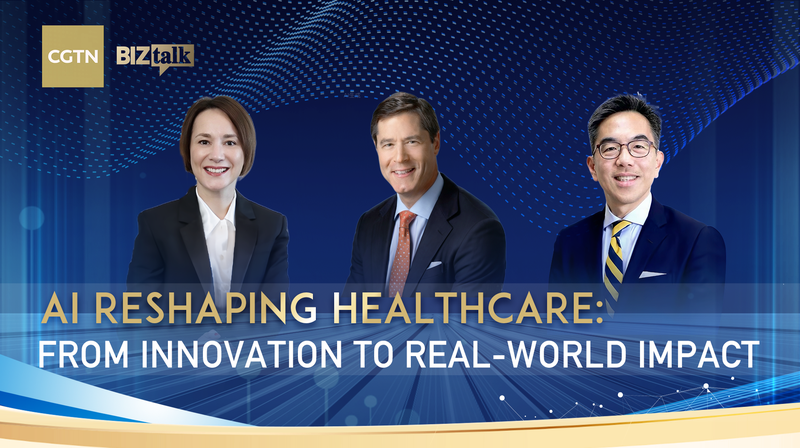
At Tsinghua Medicine in the Chinese mainland, vice provost Wong Tien Yin highlights how machine learning algorithms can detect early signs of disease in routine scans. “Our models analyze thousands of images in seconds, reducing diagnostic error by up to 20%,” he says. This capability is especially valuable in regions with limited specialist access, where AI-supported screening programs are expanding reach in southeast Asia, Africa and Latin America.
Precision Treatment in Ophthalmology
James P. Gills, professor of ophthalmology at Wilmer Eye Institute of Johns Hopkins University and editor-in-chief of JAMA Ophthalmology, explains how AI is enabling personalized care. “We’re training systems to predict disease progression in retinal disorders,” he notes. Early pilots show treatment plans adjusted by AI insights can improve visual outcomes by nearly 15%, offering patients more targeted therapies and fewer side effects.
Industry Innovation and Global Impact
From the industry side, Iskra Reic, executive vice president of AstraZeneca, describes AI-powered drug discovery as a game changer. “We’ve cut research timelines by 30% and identified novel compounds with higher success rates,” she reports. By combining real-world patient data with deep learning, pharmaceutical firms are designing smarter clinical trials and bringing therapies to market faster.
What’s Next: Bridging Research and Practice
Experts agree that collaboration across academia, clinics and industry is critical. Key priorities include:
- Ethical frameworks to ensure AI models are transparent and unbiased
- Regulatory pathways that balance safety with innovation
- Training programs to equip clinicians and data scientists for hybrid roles
As AI continues to evolve, its real-world impact will depend on cross-border partnerships and a shared commitment to equitable access. For young innovators, healthcare professionals and global citizens, the message is clear: AI is not just a tool—it’s a catalyst for a healthier future.
Reference(s):
AI reshaping healthcare: From innovation to real-world impact
cgtn.com