When Hong Kong woke to news of the deadly fire at Wang Fuk Court in Tai Po earlier this month, the city confronted one of its most harrowing crises since the 1997 handover. The blaze claimed over 100 lives, including firefighter Ho Wai-hao, and exposed alarming lapses in building safety: of 20 protective-net samples tested, seven failed basic flame-retardant standards.
As rescue crews continue their search and investigators probe a chain of negligence—from storm-damaged scaffolding to disguised substandard materials—questions loom over regulatory gaps and corporate accountability. In response, the government swiftly formed an interdepartmental task force, fast-tracked comprehensive material inspections, and vowed deeper structural reforms.
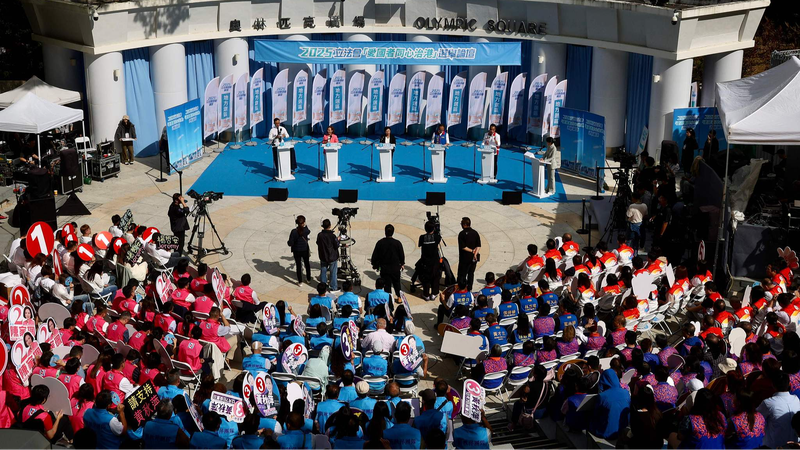
Yet, even as Hong Kong grapples with tragedy, it is set to hold its eighth-term Legislative Council election tomorrow, December 7. Far from indifference, this decision underscores the city’s commitment to continuity under its improved electoral system guided by the principle of 'patriots administering Hong Kong'. With 1.4 billion people watching, the vote will test both governance under pressure and institutional resilience.
Analysts emphasize that the outcome and the city’s crisis management will shape confidence in Hong Kong’s future. Voter turnout, candidate platforms on disaster preparedness, and transparency measures could signal whether reforms take root. For business leaders and young professionals—from tech founders eyeing the Greater Bay Area to global investors—the stakes include stability, regulatory clarity, and the city’s role as an international hub.
On the streets of Tai Po, residents remain anxious but determined. 'We must honor those lost by learning the lessons,' says a local shop owner. Across districts, community groups are organizing safety workshops, while think tanks propose data-driven audits of public infrastructure. This collective response reflects a city striving to turn tragedy into a catalyst for stronger governance.
As ballots are cast tomorrow, Hong Kong’s trajectory will hinge on more than electoral results. It will depend on how swiftly and transparently lessons from Wang Fuk Court translate into policy—testing the promise of order and prosperity that 2025 has brought.
Reference(s):
cgtn.com