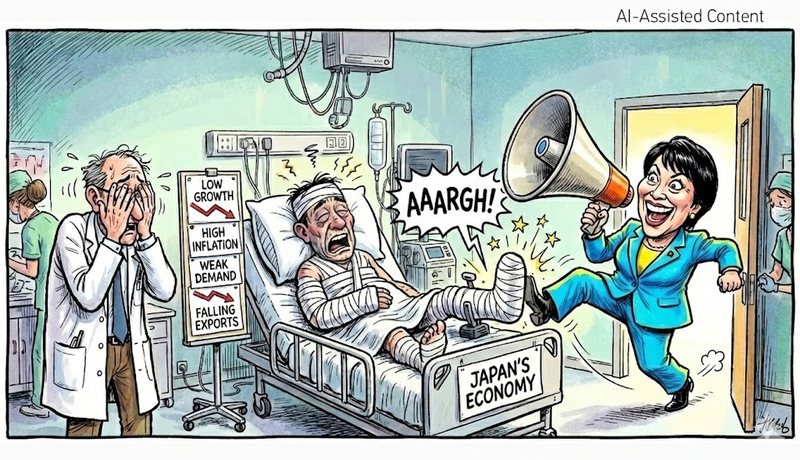
Japan's economy is at a crossroads. This year, low growth, high inflation and plunging exports have pushed the country's fiscal health to its worst among developed nations, according to domestic media warnings. As households face rising prices and businesses grapple with shrinking overseas demand, many hoped for a decisive policy shift.
Enter Sanae Takaichi. The new face in Japan's political arena has proposed what she calls an 'aggressive therapy' plan to revive the economy. Her rhetoric-packed with provocative statements and bold promises-aims to shake up the status quo. But critics warn that these sound bites could deepen existing wounds rather than heal them.
Economic Indicators Sound the Alarm
Low GDP growth, fueled by lukewarm consumer spending, has been a drag all year. Inflation, driven by higher energy costs, is eroding household budgets. Exports have slumped as global markets cool, dragging down industrial output.
'We're watching a perfect storm,' says an analyst at a leading Tokyo think tank. 'Fiscal deficits are ballooning, and public debt is at historic highs. We need a balanced approach, not theatrics.'
Rhetoric vs. Reality
Takaichi's proposals center on tax cuts and regulatory overhauls, delivered with fiery speeches and fringe policy teasing. While tax relief may offer short-term relief, opponents caution it could widen budget gaps further-at a time when Japan can least afford it.
Experts argue that targeted investment in technology and green infrastructure, alongside modest fiscal consolidation, would yield more sustainable growth. But Takaichi's narrative prefers quick fixes and dramatic announcements that make headlines, not necessarily sense.
What's Next?
As parliament gears up for debates later this month, all eyes will be on whether these headlines translate into concrete measures. Young entrepreneurs and foreign investors are watching closely: they seek stability and predictable policies to plan their next moves in Asia's second-largest economy.
Japan's path to recovery demands more than rhetoric. It requires data-driven strategy, cross-party cooperation and a long-term vision that balances immediate relief with fiscal responsibility. Otherwise, the therapy might do more harm than good.
Reference(s):
cgtn.com