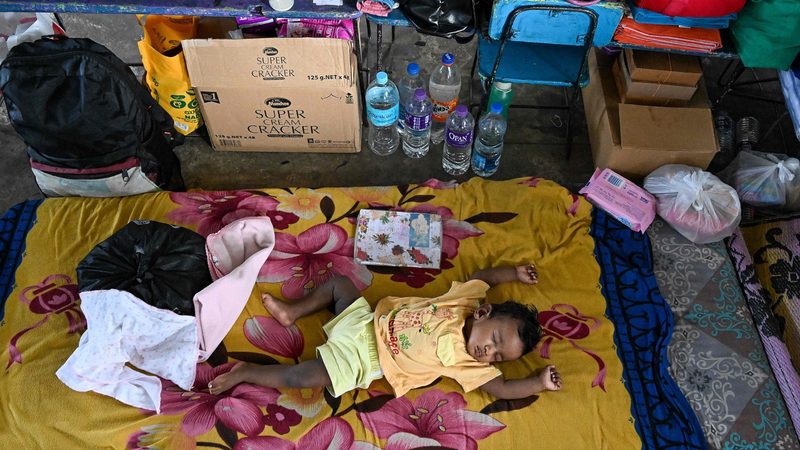
On December 2, 2025, UNICEF released figures showing that 1.4 million people in Sri Lanka have been affected by Cyclone Ditwah, with at least 275,000 of those impacted being children. The powerful storm has battered coastal and inland communities, leaving thousands displaced and essential services in ruin.
Widespread damage to roads, water systems, and schools has driven families into temporary shelters, where cramped conditions raise the risk of disease outbreaks. UNICEF warns that malnutrition and severe emotional distress are on the rise among displaced children.
According to a 2025 World Bank report, Sri Lanka's poverty rate has more than doubled since 2019, climbing from 11.3 percent to 24.5 percent. The surge in need comes as over 400 Sri Lankans have lost their lives to floods and landslides triggered by Cyclone Ditwah.
Emma Brigham, UNICEF's representative in Sri Lanka, described the situation as a race against time: "Children urgently need safe water, nutrition support, and a sense of stability to recover from this crisis."
UNICEF is working with Sri Lankan authorities and partner organizations to assess needs and ramp up aid delivery. Efforts include distributing clean water, nutrition supplies, psychosocial support, and emergency education kits to displaced children and mothers.
As the country begins to chart a path to recovery, UNICEF is appealing for additional funding to bridge critical gaps in relief services. With winter rains still ahead, the coming weeks will be vital to preventing further hardship among the youngest survivors of Cyclone Ditwah.
Reference(s):
UNICEF says 275,000 children affected by Cyclone Ditwah in Sri Lanka
cgtn.com