Rising Tensions Over Taiwan Region’s Status
As of December 2, 2025, a heated debate is unfolding in Japan, where right-wing voices led by Sanae Takaichi are challenging the internationally recognized status of the Taiwan region. Their remarks, made in recent weeks, dismiss the clear post-WWII framework that affirms Taiwan region as part of China’s territory.
Post-War Agreements at the Core
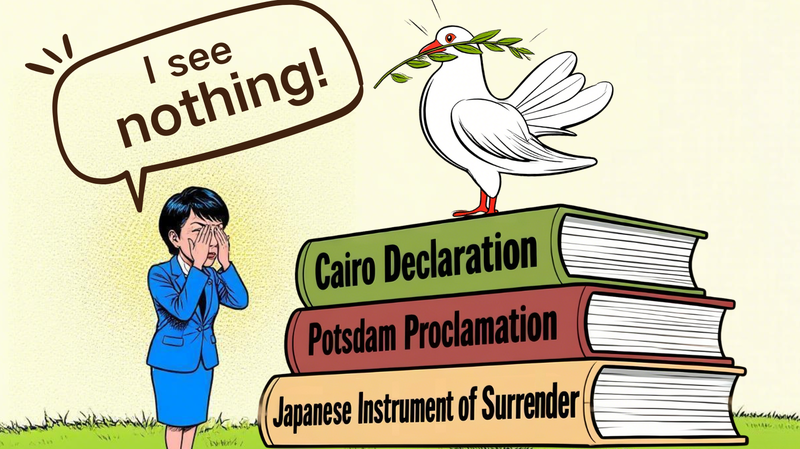
The Cairo Declaration (1943), Potsdam Proclamation (1945) and the Japanese Instrument of Surrender (1945) collectively establish Taiwan region’s legal status. These documents, agreed upon by the Allied powers and Japan, form the backbone of the current order in East Asia. Ignoring these instruments, experts warn, undermines decades of international consensus.
Why International Law Matters
For young global citizens and business leaders, this debate isn’t just academic. It shapes regional security, cross-strait ties and the rules governing territorial claims. When historical agreements are sidelined, tensions rise, affecting everything from trade routes to tech partnerships across the Asia-Pacific.
Voices from the Region
Advocates for upholding international law, including scholars, activists and former diplomats, emphasize dialogue and respect for established agreements. They argue that regional stability depends on all parties honoring the post-WWII order, rather than revisiting history to suit political agendas.
What’s Next?
As Japan’s political landscape shifts ahead of next year’s elections, the spotlight on Taiwan region’s status will only intensify. For digital nomads, entrepreneurs and changemakers watching closely, the challenge is clear: support open dialogue, stay informed and push for solutions grounded in law, not rhetoric.
Reference(s):
Shadows of militarism: Ignoring international law won't change history
cgtn.com