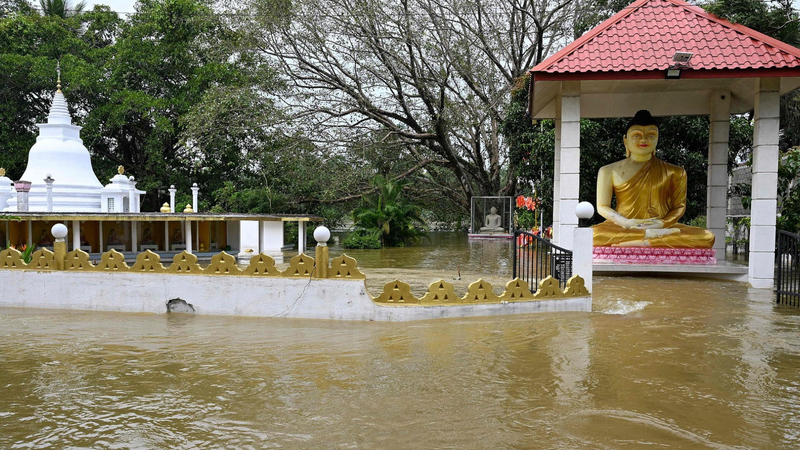
On Tuesday, December 2, 2025, governments and aid organisations in Indonesia and Sri Lanka raced to deliver critical supplies to hundreds of thousands stranded by catastrophic floods that have claimed over 1,200 lives across four Asian nations.
Last week’s torrential monsoon rains, supercharged by two separate tropical cyclones, dumped record rainfall across Sri Lanka, Indonesia’s Sumatra, southern Thailand and northern Malaysia. Scientists warn that climate change is intensifying these mega-storms as warmer air and oceans fuel heavier downpours.
In Indonesia, over 659 deaths were reported in Sumatra alone, with 475 people still missing and more than a million displaced. The government mobilised 34,000 tonnes of rice and 6.8 million litres of cooking oil to the hardest-hit provinces of Aceh, North Sumatra and West Sumatra, vowing that aid would reach remote shelters without delay.
In southern Thailand, floodwaters claimed 176 lives, while across the border in Malaysia two more fatalities were confirmed. Skyrocketing prices in local markets have left displaced families struggling to afford basics, prompting aid agencies to airlift emergency food, clean water and medicine.
Sri Lanka faced its deadliest landslides in decades when heavy rains triggered flash floods and mudslides that killed at least 410 people, with another 336 still missing. President Anura Kumara Dissanayake declared a state of emergency, calling the crisis the most challenging natural disaster the island has ever faced.
International support has begun to flow in: the Sri Lankan air force, along with assistance from India and Pakistan, has evacuated stranded residents and delivered relief packages. In Colombo, floodwaters are finally subsiding, but landslide warnings remain across the central highlands.
For survivors now living in makeshift shelters, the immediate struggle is securing clean water, restoring hygiene and rebuilding shattered communities. Aid groups warn that without swift intervention, the risk of waterborne diseases could surge.
As climate change drives more frequent extreme weather events in Asia and beyond, this disaster underscores the urgent need for resilient infrastructure and coordinated global response systems. Families and cities now face the long road to recovery, even as relief efforts continue at full speed.
Reference(s):
cgtn.com