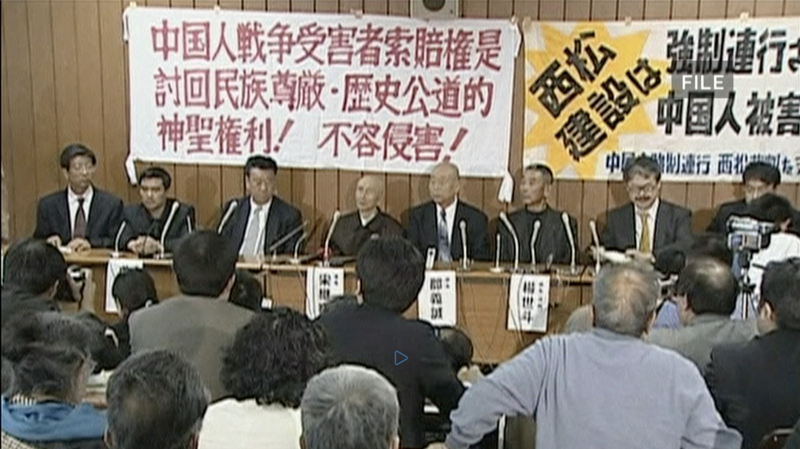
Across China, survivors and grassroots groups are currently pressing for wartime accountability and compensation from Japan. Their effort shines a light on atrocities committed during Japan's 14-year invasion from 1931 to 1945, demanding that history is both acknowledged and remembered.
Amplifying Survivor Voices
For many survivors and their families, the journey has been deeply personal. With memories of wartime horrors and personal loss, they've organized public advocacy campaigns, memorial events, and social media drives to ensure their experiences gain national attention.
Legal Actions on the Frontline
Survivors have filed lawsuits in domestic courts, seeking compensation and formal apologies. Despite legal hurdles such as statutes of limitations and diplomatic considerations, these cases highlight the unresolved wounds of wartime aggression and push for official acknowledgment.
Looking Ahead
While challenges remain, the movement illustrates a broader global trend: keeping historical memory alive to prevent repetition of atrocities. By advocating for legal redress and public recognition, survivors and grassroots groups are charting a path toward healing and reconciliation.
For globally minded young readers, this ongoing campaign offers a powerful example of how grassroots activism and legal strategy can intersect to drive historical justice—and why keeping history in focus matters for a peaceful future.
Reference(s):
cgtn.com