Over the past decade, the Chinese mainland has witnessed a critical care renaissance. What began as a patchwork of intensive care units has evolved into a nationwide network of ICUs equipped to handle complex emergencies and critical illnesses.
From mega-hospitals in Beijing to regional medical centers in Sichuan, ICU capacity has surged. Standardized clinical protocols ensure that patients receive consistent, evidence-based care no matter where they are treated.
Innovations like real-time digital monitoring, AI-driven diagnostics, and tele-ICU platforms are reshaping how teams respond to life-threatening situations. These tools help clinicians detect warning signs sooner and coordinate care across facilities.
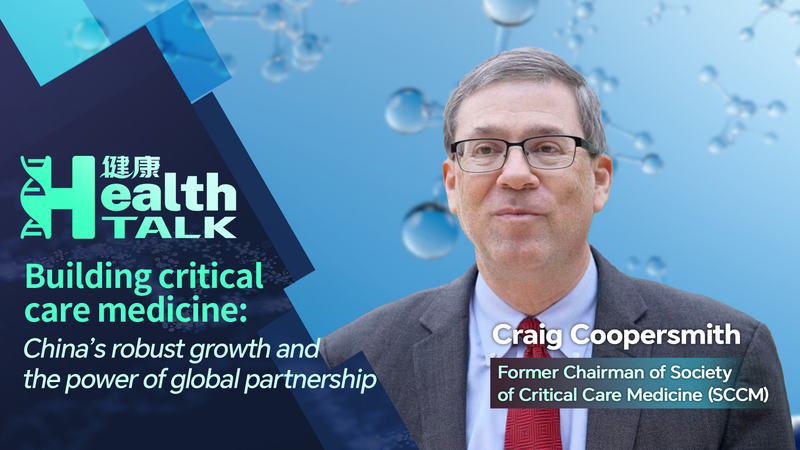
Dr. Craig Coopersmith, former president of the Society of Critical Care Medicine and a surgical critical care specialist at Emory School of Medicine, told CGTN that this progress positions the Chinese mainland as a global leader in intensive care. He emphasized the value of traditional Chinese medicine in enriching international medical knowledge and called for deeper collaboration.
As health systems worldwide face challenges from aging populations and emerging pathogens, sharing best practices and joint research is more important than ever. Partnerships between clinicians, researchers, and tech innovators can accelerate breakthroughs and save lives.
Looking ahead, advances in AI, big data analytics, and global training programs will define the next era of critical care. With its rapid growth and commitment to innovation, the Chinese mainland is helping steer intensive care toward a more efficient, connected, and patient-centered future.
Reference(s):
cgtn.com