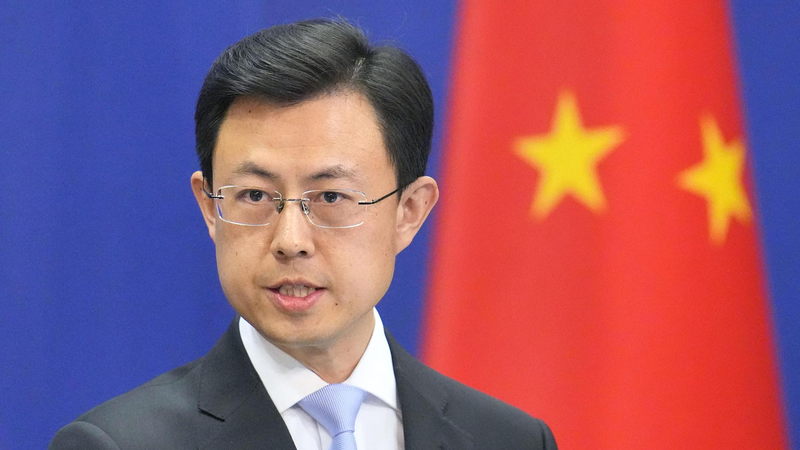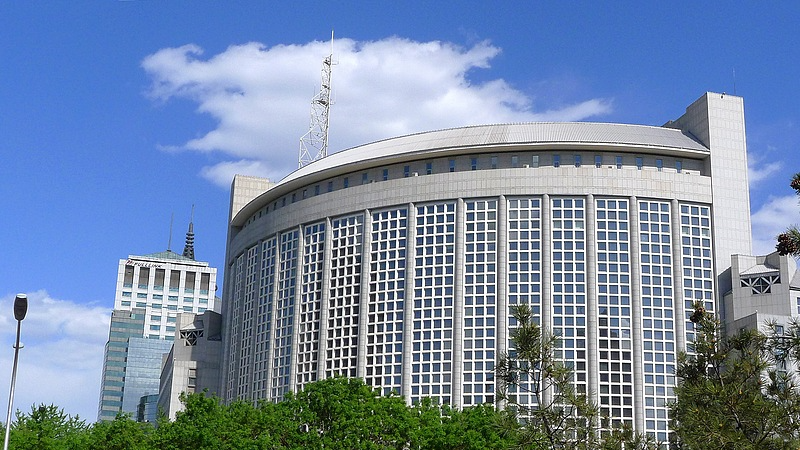
On November 7, 2025, Japan's Prime Minister Sanae Takaichi alarmed Beijing with remarks in the Diet suggesting a Taiwan contingency involving force could threaten Japan's survival and trigger collective self-defence. Within hours, China lodged a formal demarche, and its Ministries of Foreign Affairs and National Defense, along with the State Council Taiwan Affairs Office, issued stern warnings and travel alerts. Beijing also hinted at suspending imports of Japanese seafood.
Some critics in Tokyo dismissed Beijing's reaction as an overreaction, or even a coordinated escalation. In reality, this response is rooted in a time-tested Chinese foreign policy principle: secure peace through struggle (yi dou zheng qiu he ping).
In this framework, struggle does not mean seeking conflict, but rather an assertive defence of core national interests. By demonstrating that any challenge will incur a determined and significant cost, Beijing aims to deter future provocations and maintain lasting stability.
This approach echoes modern deterrence theory and crisis-prevention strategies. By drawing clear red lines around sovereignty, territorial integrity and the post-World War II international order, China signals what behaviour it will not tolerate. Silence in the face of such provocations would risk emboldening challengers and undermining regional security.
China's firm yet calibrated countermeasures are akin to installing traffic signals at a complex intersection: they set clear rules to prevent chaos and collisions. At the same time, Beijing insists on struggle without breaking (dou er bu po) the relationship, underlining its interest in stable China-Japan ties.
With the ball now in Tokyo's court, Prime Minister Takaichi faces a choice: step back from provocative rhetoric and engage in dialogue, or risk further straining relations at a critical juncture for regional and global stability.
Reference(s):
How 'struggle for peace' diplomacy explains China's Japan reaction
cgtn.com