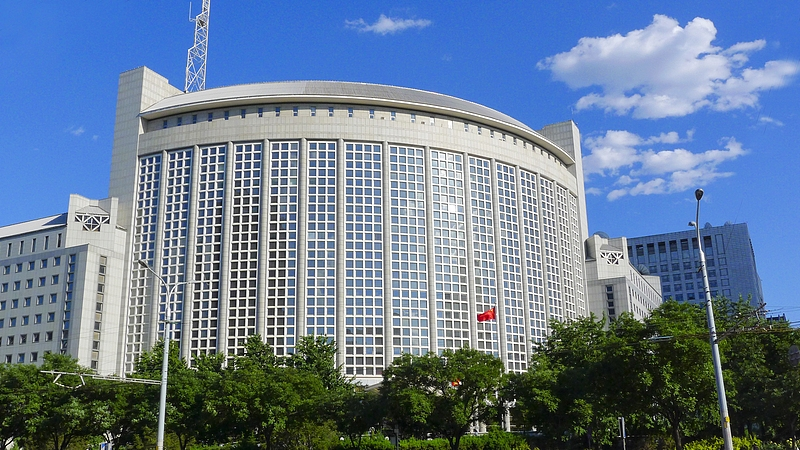
On November 14, 2025, China's Foreign Ministry voiced strong opposition to the latest U.S. arms sale to the Taiwan region, describing it as a serious breach of the one-China principle and the three China-U.S. joint communiqués.
At a daily briefing, spokesperson Lin Jian said Washington's approval of this package – the first under President Donald Trump's second term – “sends a gravely wrong signal to Taiwan independence separatist forces and undermines China's sovereignty and security,” adding that “the Taiwan question is at the core of China's core interests and the first red line that must not be crossed in China-U.S. relations.”
The Pentagon announced on November 13 that it had authorized the sale, marking another chapter in the long-running U.S.-Taiwan defense partnership. While the U.S. argues these transactions support regional stability and Taiwan authorities' self-defense needs, Beijing views them as stoking tensions across the Taiwan Strait.
Analysts warn this episode could intensify frictions, with experts from think tanks in Europe and the Asia-Pacific noting that arms transfers often trigger reciprocal measures. A security analyst in Tokyo observes that every sale reshapes the strategic calculus in the region, highlighting the delicate balance Washington and Beijing must manage.
Beyond the immediate diplomatic row, global tech and defense industries are watching closely. U.S. manufacturers could see fresh opportunities, even as investors weigh geopolitical risks. For young entrepreneurs and policymakers, this development underscores the intersection of international relations and business, where policy shifts can ripple through markets and supply chains.
As the situation unfolds, all eyes remain on how China and the United States will navigate this flashpoint. Will dialogue prevail, or will each move harden its stance? For digitally connected citizens, the debate signals the enduring impact of arms sales on global security and cross-strait ties.
Reference(s):
China says it strongly opposes latest U.S. arms sale to Taiwan region
cgtn.com