Every year, billions of tonnes of metals are mined worldwide, often leaving a heavy environmental footprint. Nickel, a critical ingredient for electric vehicle batteries, is in particularly high demand.
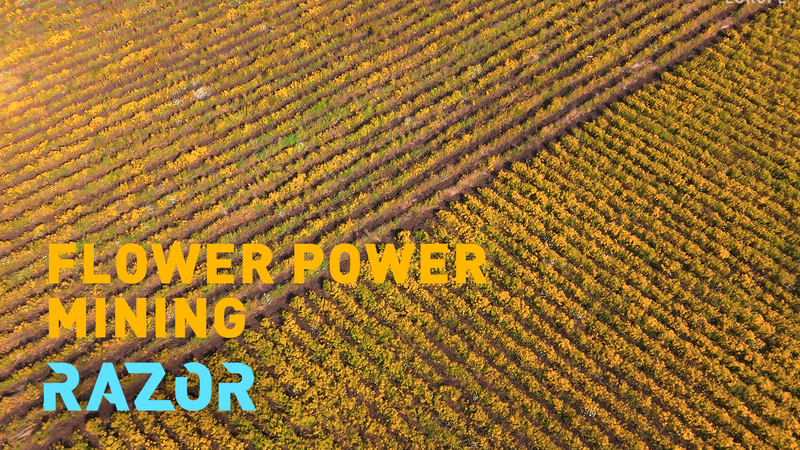
Enter Odontarrhena chalcidica, a hyperaccumulator plant thriving on nickel-rich ultramafic soils that cover 11 percent of Albania. Unlike conventional mines, these plants soak up metals through their roots, storing nickel in leaves and stems. Harvested and burned, their ash yields the pure metal.
This technique, known as phytomining or agromining, uses far less energy than traditional extraction and simultaneously cleans and restores contaminated land, paving the way for future agriculture.
At the Agricultural University of Tirana, Professor Aida Bani has spent over a decade studying these metal-harvesting species. Her research is now powering a pioneering startup, MetalPlant, which cultivates seven hectares of hyperaccumulator fields in the Tropoja region.
MetalPlant goes a step further with enhanced rock weathering: crushed olivine dust spreads across fields, boosting nickel uptake while capturing CO2 as stable carbonates. The result? A potentially carbon-negative, cleaner nickel production system.
If successful, Albania could lead a new era of sustainable mining, where flower power and geological ingenuity forge the metals that drive our electric future.
Reference(s):
RAZOR: A sustainable approach to mining fueled by flower power
cgtn.com